Embracing Natural Beauty
The Definitive Guide to Castor Oil for Skin: Science, Safety, and Results
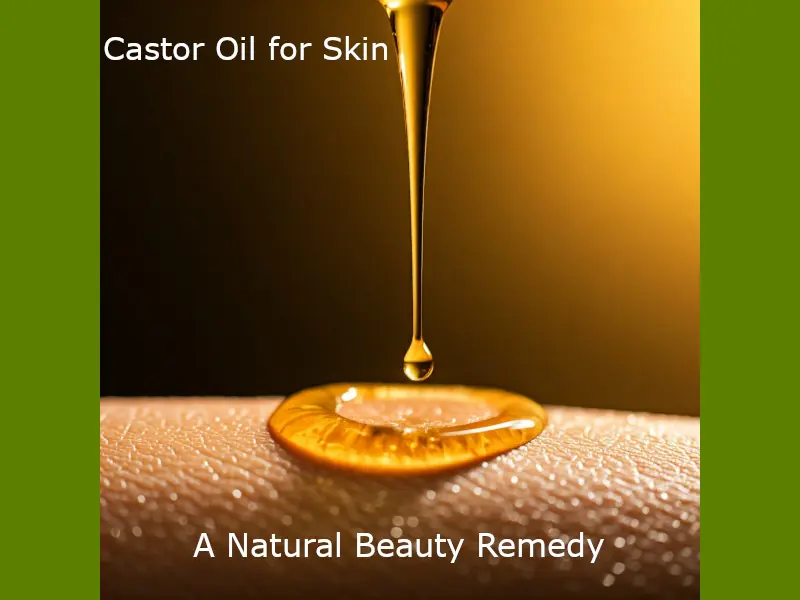
In our modern world, skincare often feels like a choice between two extremes. On one side, we have high-tech synthetic chemicals made in labs. On the other hand, we have raw, natural ingredients. Understanding how to integrate these natural oils into a modern regimen is not just a trend; it is a strategic necessity for long-term skin health.
Recently, castor oil has experienced a massive resurgence. It has transitioned from a dusty bottle in an old medicine cabinet to a viral sensation on TikTok. To understand why this oil is a modern staple, we must first look at its ancient roots and its unique chemical profile.
Castor oil is a thick, pale yellow liquid. It comes from the seeds of the Ricinus communis plant. Historically, this plant was grown in India, parts of Africa, and South America. Its authority in the beauty world began thousands of years ago. In Ancient Egypt, citizens used the oil for lamp fuel and to treat skin ailments. The most famous example of its use comes from Cleopatra. Legend says the queen used castor oil as part of her daily beauty rituals to brighten the whites of her eyes. This historical legacy provides a foundation of trust, but modern science allows us to see the specific “why” behind her results.
The “So What?” Analysis: What makes castor oil strategically different from other botanical oils? Most oils, like jojoba or argan, are simple emollients that provide lubrication. Castor oil is different because it contains a very high concentration of a specific lipid called ricinoleic acid. This unique structure creates a functional difference in how the oil interacts with your skin’s barrier.
While standard mineral oils simply sit on top of the skin, the chemical nature of castor oil allows it to act as both a protective shield and a biological influencer. This makes it a multi-purpose tool that can replace several synthetic products. To understand how to achieve professional results, we must examine the internal chemical “building blocks” of the oil.
The Chemistry of Glow: Understanding Ricinoleic Acid and Triglycerides
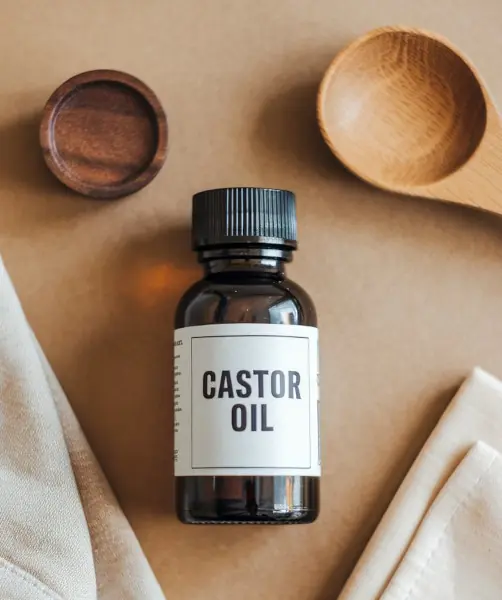
Effective skincare is never about “magic” ingredients. It is about the specific interaction between molecules and your skin’s biology. For a user to achieve safe results, knowing the “ingredients of the ingredient” is vital. When you apply castor oil, you are initiating a process of lipid equilibrium. You are not just adding grease; you are adding active compounds that mimic your body’s natural defense systems.
The primary hero of this oil is ricinoleic acid. It makes up nearly 90% of the oil’s composition. What is fascinating to researchers is that ricinoleic acid is structurally similar to prostaglandins. Prostaglandins are hormone-like lipids that your body uses to manage inflammation and healing. When you apply castor oil, your skin recognizes these lipids. Along with these acids, the oil is rich in triglycerides. These fats serve a dual purpose: they cleanse the skin by dissolving dirt and support the skin’s barrier to prevent moisture loss.
The “So What?” Analysis: The structural similarity to prostaglandins is the most significant factor in castor oil’s effectiveness. Most standard oils lack these active compounds. They provide temporary slickness but no biological support. Because castor oil mimics lipids your body already knows, it can influence skin health more deeply. It doesn’t just “moisturize”; it provides the building blocks that support the skin’s own defenses against the environment.
| Key Component | Primary Skin Impact |
| Ricinoleic Acid | Provides antibacterial and anti-inflammatory support by mimicking natural lipids. |
| Triglycerides | Deeply cleanses the skin and maintains the vital moisture barrier. |
| Tocopherols | Acts as a powerful antioxidant (Vitamin E) to mitigate oxidative stress. |
| Tocotrienols | Works with tocopherols to fight free radicals and prevent premature aging. |
This chemical profile transitions directly into the specific physical benefits that users seek. By understanding these ingredients of the ingredient, we can use the oil with more precision.
Comprehensive Benefit Analysis: Beyond the Surface
In a world filled with products that contain dozens of synthetic additives, multi-functional ingredients like castor oil are highly valuable. A single natural source can often reduce the need for complex chemical cocktails. This is important because fewer ingredients usually mean a lower risk of irritation. Castor oil provides several layers of support that work together to improve skin health.
Deep Hydration and Moisture Retention
Castor oil is a powerful humectant. This means it has a magnetic-like ability to draw moisture from the air and pull it into the skin. Because the oil is so viscous, it creates a “moisture seal” that lighter lotions cannot provide. This is especially helpful for people with dry or flaking skin. For a deeper look at these hydrating properties, Medical News Today offers an excellent scientific breakdown.
Acne Management and Lipid Equilibrium
It may seem strange to put heavy oil on acne-prone skin. However, the “oil-dissolves-oil” principle is key here. Castor oil has antimicrobial and anti-inflammatory properties. Ricinoleic acid can help fight the growth of bacteria that lead to breakouts. At the same time, it helps soothe the redness and swelling of active pimples.
Anti-Aging and Oxidative Stress Mitigation
The oil is packed with antioxidants, including tocopherols. These compounds are vital for fighting “free radicals.” Free radicals are unstable molecules caused by pollution and sun damage that lead to premature aging. While castor oil cannot erase deep wrinkles overnight, it acts as a preventative tool. For more information on how these properties impact overall wellness, WebMD provides a comprehensive overview.
Support for Healing Processes
Castor oil supports the natural healing process by keeping the skin site moist and protected. Its antimicrobial action creates an environment where new skin can grow without being interrupted by bacteria. Important Safety Mandate: While it supports healing, scientific research on direct application is limited. You must never apply castor oil to open wounds at home without professional medical guidance. It is meant to support the skin’s surface, not to treat deep injuries.
Top 5 Benefits Of Castor Oil For Face | Dermatologist Explains
The “So What?” Analysis: The real impact of castor oil is its “moisture locking” capability. In a “high-evaporation environment”—such as a dry airplane cabin or an air-conditioned office—your skin loses water quickly. Castor oil acts as a “physical shield.” It is not just a moisturizer; it is a protector. It creates a controlled environment on the surface of your skin, allowing the underlying layers to repair themselves. This multi-layered benefit approach is why it remains a staple in holistic dermatology.
The “Evidence of Work” Protocol: How to Test and Apply
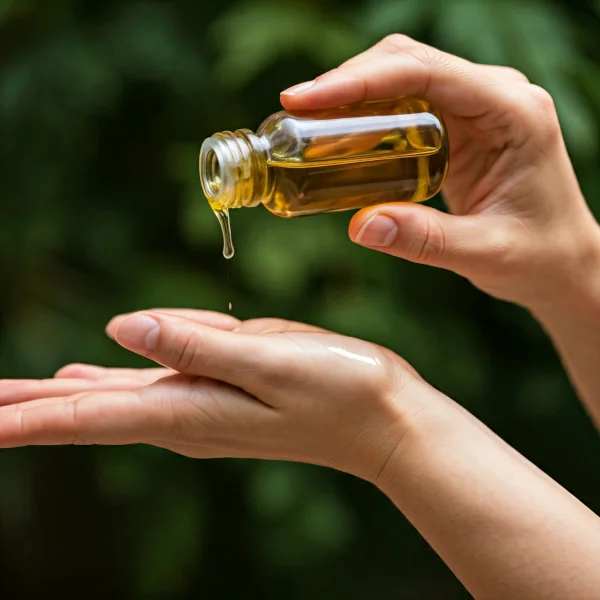
In professional dermatology, we prioritize “Evidence of Work.” This means we do not rely on guesses or TikTok trends. We use a strategic, vetted process to prove a product is safe for your specific skin biology. Skipping these steps can lead to long-term setbacks like severe irritation or allergic reactions. This protocol is based on the “Who, How, and Why” framework to ensure your experience is satisfying and expert-backed.
Step-by-Step Vetting Process
- The 24-Hour Patch Test: This is the golden rule. Apply one small drop of castor oil to your inner elbow. Wait a full 24 hours. If you see any redness, itching, or swelling, your skin is likely sensitive to this concentrated oil, and you should stop immediately.
- The 1:1 Dilution Ratio: Pure castor oil is extremely thick and sticky. It does not absorb well on its own because its molecules are quite large. To fix this, you must mix it with a “carrier oil.” Use a 1:1 ratio—one part castor oil and one part carrier oil.
- Carrier Oil Selection: Choose a carrier oil based on your skin type. Coconut oil provides deep moisture, Almond oil is lightweight for general use, and Olive oil offers extra antioxidants.
- Strategic Evening Application: Apply your mixture after cleansing your face at night. This gives the oil several hours to absorb while your body is in “repair mode” during sleep.
- Clean Removal: You can leave the oil on overnight for deep hydration. However, if your skin feels too heavy, you can wipe it off with a warm washcloth after 10 to 15 minutes.
The “So What?” Analysis: Why is dilution a non-negotiable step? High-viscosity oils struggle to penetrate the skin’s surface. Carrier oils act as “delivery vehicles.” They thin out the castor oil, allowing the ricinoleic acid to reach the deeper areas where it is most effective. Without dilution, pure castor oil often just sits on the surface, which can irritate without providing any of the actual benefits. Following this protocol ensures you are practicing “people-first” skincare that is vetted through the lens of research.
High-Risk Areas: Eyes, Scalp, and Pores

Skincare is never “one size fits all.” A strategy that works for your heels might be a disaster for your eyelids. A targeted application is necessary because skin thickness and gland density vary across the body. Using a heavy oil in the wrong place can lead to significant complications that require medical attention.
- Eye Care and Gland Blockage: Many people use castor oil on their eyelashes to make them look thicker. However, the oil’s thickness can block the tiny oil glands (meibomian glands) in your eyelids. This can lead to painful styes. Always use a clean cotton swab and apply only a minuscule amount to the tips of the lashes.
- Scalp Health and the Risk of “Felting”: On the scalp, castor oil can reduce hair breakage. But there is a rare risk called “felting.” This is when the hair becomes so matted and tangled that it cannot be brushed out and must be cut off. Additionally, the oil can make fine hair look very greasy and weighed down.
- Pore Congestion: Castor oil is considered “comedogenic” for some people, meaning it can clog pores. If you have naturally oily skin, a heavy application can lead to more breakouts if the oil is not properly cleansed away.
The “So What?” Analysis: There is a clear trade-off between the anecdotal benefits of lash growth and the risk to eye health. The physical thickness of the oil creates a blockage that disrupts natural gland function. You must decide if the potential for thicker-looking lashes is worth the risk of a stye. Always prioritize the health of your organs—like your eyes—over temporary cosmetic gains.
Quality Control and Longevity: Sourcing and Storage
The “supply chain” of your wellness products determines the potency of your final results. If the oil is processed incorrectly, the chemical building blocks we discussed—like tocopherols and ricinoleic acids—can be destroyed before they ever touch your skin. This is where many “thin content” guides fail by not explaining the extraction process.
To get professional-grade results, you must look for “Cold-Pressed” and “Organic” labels. “Cold-pressed” means the oil was extracted using pressure alone, without high heat. “Organic” ensures the seeds were grown without synthetic pesticides. Once you have a high-quality oil, you must store it in a cool, dark place. Light and heat cause the oil to go “rancid,” which means the fats break down. Using rancid oil can cause severe skin inflammation.
The “So What?” Analysis: The difference between cold-pressed and solvent extraction is a matter of biological activity. Solvent extraction often uses a chemical called hexane and high heat to get more oil out of the seeds. However, this heat destroys the very nutrients you are paying for. Furthermore, solvent extraction can leave behind chemical residues that trigger the exact inflammation ricinoleic acid is supposed to fight. By choosing cold-pressed oil, you ensure the “living” chemistry of the plant remains intact.
Check the price and castor oil of your choice on Amazon:
Expert FAQ: Resolving Common Misconceptions
To provide a complete resource, we must address the most common questions from the community with evidence-based answers.
Conclusion: The Balanced Path to Radiant Skin
Using castor oil for skin is a personal choice that has been around for a very long time. We have learned that this thick, golden oil is full of special fatty acids that can help your skin stay hydrated and look healthy. It works as a humectant to pull water into your skin, which is great for people with dry patches.
However, you must remember that this oil is not a “magic” cure for everything. Because it is so thick, it can sometimes clog your pores or cause a rash if you don’t use it the right way. Always remember to mix it with a carrier oil and do a patch test on your arm first to stay safe.
It’s essential to be aware of potential castor oil side effects, such as allergic reactions and skin irritation, especially for those with sensitive skin.
Our goal with this guide was to give you all the facts so you don’t have to keep searching for answers. By listening to your skin and being patient, you can see if castor oil for skin helps you reach your beauty goals. If you have any big skin problems or are worried about an allergy, it is always a smart idea to talk to a skin doctor first.
Check the price and castor oil of your choice on Amazon:
Source:
- Benefits of castor oil for the face and skin
https://www.medicalnewstoday.com/articles/319844 - Can You Use Castor Oil on Your Face?
https://www.healthline.com/health/castor-oil-for-face - Thinking of using castor oil for skin? Here’s why that might be a terrible idea:
https://www.healthshots.com/beauty/skin-care/heres-why-using-castor-oil-for-skin-might-be-a-bad-idea/ - The Health Benefits of Castor Oil
https://www.webmd.com/diet/castor-oil-health-benefits - Everything Castor Oil Can—and Can’t—Do for Your Skin, Hair, and Lashes
https://www.self.com/story/castor-oil-benefits

Meet Donna: Founder & Lead Curator
Hi, I’m Donna, the voice and vision behind Aesthetic Thrive.
As a professional digital content creator and wellness strategist, I founded this platform to simplify the journey toward a more beautiful, balanced life. My background is rooted in a deep passion for fashion, intentional living, and holistic health. For years, I have dedicated my career to researching how the environments we build both within our bodies and in our homes directly affect our daily confidence and long-term well-being. Read More!
Trust in your purchase:
Every product featured on our site has been carefully researched and selected based on quality, customer ratings, and positive reviews to ensure you receive excellent value for your money.
Please note:
This post contains affiliate links. If you make a purchase through these links, we may earn a small commission at no additional cost to you. This helps support our site and allows us to continue bringing you valuable content. Thank you!
Thank you for your precious time spent with AestheticThrive.