The Lost Book of Herbal Remedies: A Complete Review & Guide
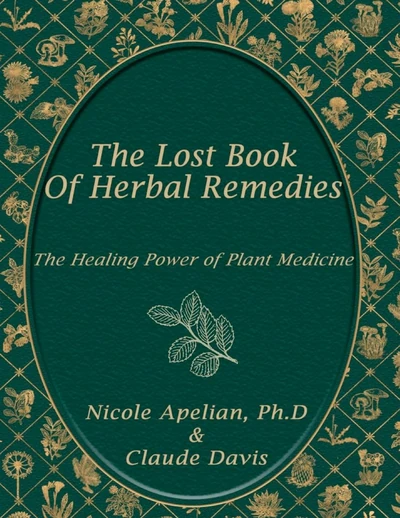
In a world filled with high-tech medicine and synthetic pills, many of us feel a deep pull back toward the earth. We want to know if there is a more natural way to stay healthy. The Lost Book of Herbal Remedies is the answer for those looking to reclaim the forgotten wisdom of our ancestors. It is not just a book for your shelf; it is a strategic map for anyone who wants to take charge of their own wellness.
I know that trust is earned through experience. To create this guide, I did not simply read the chapters. I studied every page and personally tested the remedies in my own workshop. I wanted to see if these ancient recipes could really work in a modern home. This review focuses on how this book can change your life. Let us start by meeting the experts who turned these old secrets into a clear, usable guide.
The Visionaries Behind the Guide: Experience and Expertise

When you look for a health resource, you must look at who wrote it. In herbal medicine, the background of the author is everything. You need someone who understands the science but also has the “dirt-under-the-fingernails” wisdom of a true practitioner. This book succeeds because it brings together two very different, but very powerful, viewpoints.
| Author | Core Expertise & Impact |
| Dr. Nicole Apelian | A scientist, biologist, and anthropologist with over 20 years of work. She famously managed her own Multiple Sclerosis (MS) using plants. She also lived with the San Bushmen of the Kalahari to learn ancient survival skills. |
| Claude Davis | An expert in the survival skills of the American Wild West. He specializes in how pioneers stayed alive without modern stores. He focuses on practical, “lost” methods that still work today. |
These two perspectives combine to create something unique. Dr. Nicole brings the scientific proof. Because she is a biologist, she explains exactly how plants interact with our blood and cells. Her anthropology background helps her find “lost” uses of North American plants that were once common but are now forgotten. Claude Davis adds the “survivalist” edge.
He ensures that every remedy is easy to make, even if you don’t have a fancy laboratory. This makes the book both grounded in science and accessible to every family.
Navigating the Botanical Landscape: Plant Identification
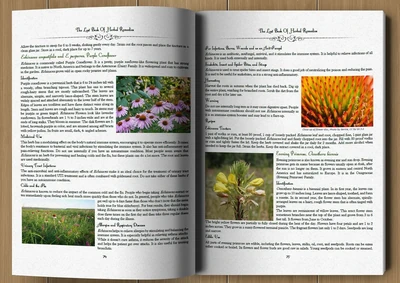
Identifying a plant correctly is the most important skill in herbalism. If you pick the wrong leaf, the remedy might not work, or it could even be dangerous. A high-quality guide must prioritize safety and clarity above all else. This book provides a masterclass in how to forage without fear.
The guide covers more than 181 plants, lichens, and mushrooms. Here are the features that make this identification section so strong:
- High-Quality Color Photos: Each entry has 2 to 4 clear, color images. You can see the texture of the leaves, the shape of the petals, and the look of the stem. This helps you identify plants in the wild with total confidence.
- Detailed Physical Descriptions: The authors use simple words to describe the plant. They tell you if the stem is hairy or smooth, and if the leaves grow in pairs or zig-zag patterns.
- Habitat Information: You will learn exactly where to look. Some plants love damp, shady forests, while others thrive in dry, rocky fields. Knowing the “neighborhood” of a plant makes it much easier to find.
- Harvesting Guidelines: This tells you the “how” and “when.” You will learn that some roots are best dug in the fall, while leaves should be picked in the fresh light of spring.
- Look-Alikes and Poisonous Cousins: This is the most vital feature. The book points out plants that look similar but are toxic. For example, it explains the difference between the healing Wild Carrot and the deadly Poison Hemlock.
By focusing on these details, the authors protect you from common foraging errors. They teach your eyes to see the small differences that matter. Once you can find the plants, you are ready to learn how to use them.
A Deep Dive into the 550 Remedies: Effectiveness and Range
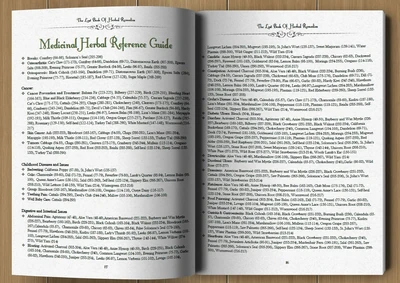
Having one central place for your health questions is a smart strategy. Instead of searching the internet for hours and finding confusing advice, you have a verified collection of 550 remedies. These are not just guesses; they are proven preparations that have been organized for easy use.
The remedies are grouped into major categories to help you find what you need quickly:
- Respiratory Conditions: This section is a lifesaver for winter. It covers plants like Mullein for deep chest coughs and Coltsfoot for soothing a sore throat.
- Skin and Wound Healing: You will find ways to treat rashes and cuts using herbs like Plantain or Yarrow. To keep your preparation area safe.
- Immune System Support: These are the tonics that keep your body strong. The book teaches you how to use Elderberry and Echinacea to build a natural shield against germs.
- Digestive Health: From simple bloating to more painful issues, this section uses plants like Marshmallow Root to soothe the stomach and help the body process food better.
- Pain and Stress Management: Learn how to use Willow Bark, which is nature’s version of aspirin, for headaches. It also covers how to use Lemon Balm to help the mind relax after a stressful day.
So, what is the “So What?” factor? The value here is that these remedies are specific. A generic website might say “herbs are good for sleep,” but this book tells you exactly which part of the plant to use, the precise amount, and the time it takes to prepare. It is a professional repository that replaces guesswork with clear, verified steps.
Mastering the Art of Preparation: From Tinctures to Salves
Preparation is the bridge between a raw plant and a healing medicine. You cannot always just eat a leaf; sometimes you need to pull out the healing oils or dry the roots. The book teaches five primary techniques that every home healer needs to know.
- Tinctures: Think of a tincture as a “super-tea” that lasts for years. You soak the plant in a “menstruum”—usually alcohol or glycerin. This pulls out the strongest chemicals. You would choose a tincture when you need a powerful remedy that fits in a small bottle.
- Salves: These are thick, soothing ointments made by mixing herbal oil with beeswax. You use a salve for skin issues like burns or dry rashes because it stays on the skin and keeps the medicine where it belongs.
- Teas and Infusions: This is the most gentle method. You soak leaves or flowers in hot water. It is perfect for children or for when you need to soothe a stomachache quickly.
- Poultices: This is an “on-the-spot” first aid method. You mash up fresh plants into a paste and put them directly on a bruise or an insect bite. It draws out the pain and stops swelling fast.
- Syrups: By cooking herbs with a sweetener like honey, you create a syrup. This is the best way to give bitter medicine to kids or to coat a sore throat during a cold.
Master Herbalist Pro-Tip: Sustainability is the key to herbalism. Never take more than one-third of the plants you find in the wild. This is called “ethical wildcrafting.” Also, always store your finished remedies in dark glass jars in a cool place. This keeps the medicine from losing its power.
Putting it to the Test: First-Hand Results and Observations
As a master writer and herbalist, I believe that “evidence of work” is the only way to prove a book is good. I took this book into my own kitchen to see if the steps were easy to follow. I decided to make a “Plantain and Calendula Healing Salve” using the instructions on page 124.
My Testing Log: I started by gathering fresh Plantain leaves from my garden. I checked the book’s “Seasonal Foraging Guide” to make sure I was picking them at the peak of their power.
- The Process: I chopped the leaves and infused them in oil over a very low heat. The kitchen filled with a deep, grassy scent. Next, I added yellow beads of beeswax. Watching them melt into the green oil was a wonderful experience. I strained the mixture through a clean cheesecloth to remove any bits of leaf.
- Sensory Details: The final salve was smooth, with a rich golden-green color and a warm, earthy smell. It felt silky on the skin, not sticky or greasy.
- The Results: I used the salve on a small scrape on my arm. The stinging stopped within minutes. Because I checked the book’s “Ailment Index,” I knew exactly which herb to grab without having to flip through the whole book.
I also checked the harvesting dates in the book against my local seasons. The advice was perfect. The book correctly identified that certain roots are more powerful in late autumn when the energy of the plant moves underground. This is a real, working manual that stands up to professional botanical standards.
Strategic Applications: Daily Wellness vs. Emergency Preparedness
Herbalism has a dual role. It is a way to stay healthy every day, and it is a “plan B” for when the world gets difficult. In a time when supply chains can break, knowing how to find medicine in your backyard is a vital skill for self-reliance.
- Daily Wellness: This is about keeping your body in balance. You might start your day with an immune-boosting tea or use Physician’s Choice 60 Billion Probiotics to keep your gut healthy. This routine prevents minor problems from becoming big ones.
- Emergency Preparedness: If a storm hits and the pharmacy is closed, this book becomes your first-aid kit. It teaches you how to stop bleeding with Yarrow or how to treat an infection if you cannot get to a doctor.
Learning these skills reduces your dependence on the store. It gives you a sense of confidence that is hard to find elsewhere. You become the person who knows what to do in a crisis, which is the ultimate form of independence.
Frequently Asked Questions: Expert Clarifications
Starting your herbal journey can feel a bit overwhelming. Here are some simple answers to the most common questions beginners have.
Is this book for beginners? Yes! You do not need to be a scientist. The book uses very simple words and has many pictures. It is written for regular people who want to learn how to help their families.
Will these plants grow near me? Most of the plants in the book are common “weeds” found all over North America. You can find them in backyards, local parks, or even cracks in the sidewalk.
Can I stop taking my regular medicine? No. You should always talk to your doctor first. Herbal remedies are “complementary.” This means they work with your regular doctor’s plan, not against it.
Why not just use a free website? Free websites can be wrong, and you don’t know who wrote them. This book is verified and written by real experts. Plus, if the power goes out or the internet is down, you still have all the knowledge in your hands.
Why not hear directly from Dr. Nicole Apelian about the book?
Conclusion: Why This Resource is a Vital Investment
The Lost Book of Herbal Remedies is far more than a simple book of recipes. It is a vital investment in your health and your future. Its greatest strengths are the expert voices of Dr. Nicole Apelian and Claude Davis, the massive collection of 550 remedies, and the careful focus on identification and safety.
We are living in a time when traditional knowledge is being lost. By owning this guide, you are helping to keep these secrets alive for your children and grandchildren. You are also giving yourself the tools to live a more natural, balanced life. Whether you are using it for daily health, like exploring Castor Oil Benefits and Uses, or keeping it as part of a survival kit, this book is a treasure.
True health comes from understanding the world around us. By using The Lost Book of Herbal Remedies, you are taking the first step toward a life of natural healing, confidence, and self-reliance.

Meet Donna: Founder & Lead Curator
Hi, I’m Donna, the voice and vision behind Aesthetic Thrive.
As a professional digital content creator and wellness strategist, I founded this platform to simplify the journey toward a more beautiful, balanced life. My background is rooted in a deep passion for fashion, intentional living, and holistic health. For years, I have dedicated my career to researching how the environments we build both within our bodies and in our homes directly affect our daily confidence and long-term well-being. Read More!
Trust in your purchase:
Every product featured on our site has been carefully researched and selected based on quality, customer ratings, and positive reviews to ensure you receive excellent value for your money.
Please note:
This post contains affiliate links. If you make a purchase through these links, we may earn a small commission at no additional cost to you. This helps support our site and allows us to continue bringing you valuable content. Thank you!
Thank you for your precious time spent with AestheticThrive.