Niacinamide Benefits: Your Guide to Clear and Healthy Skin

Many people wake up, look in the mirror, and feel frustrated. You might see red, blotchy patches that won’t go away. Perhaps your face feels too shiny by lunchtime, or you notice dark spots that make your skin look uneven. These are common skin struggles that almost everyone faces. In modern skincare, one ingredient has stood out as a true hero. That ingredient is Vitamin B3, also known as Niacinamide. Understanding Niacinamide Benefits is a key step in building a smart health plan for your skin.
As a wellness strategist and senior editor, I created this guide to help you find simple, honest answers for your health. To make sure this guide is reliable, I spent hours reviewing clinical research and reports from medical experts. This process is how I verify that what you are reading is based on real science. This article exists because I believe everyone deserves to understand how their body works without needing a medical degree.
Niacinamide has become a cornerstone of daily routines because it is gentle yet very effective. While some skincare ingredients can be harsh or cause peeling, this vitamin works with your body to help your skin fix itself. It plays a strategic role in keeping your skin balanced and strong. To see why this vitamin is so popular, we have to look under the surface. It is not just a surface-level fix. It actually changes how your skin behaves at a tiny, cellular level. By learning how it works, you can make better choices for your own health and wellness.
- What is Niacinamide? Understanding the Science Simply
- Evaluate Key Niacinamide Benefits and Their Impact
- Targeted Solutions for Specific Skin Conditions
- The Synergy Layer: Combining Niacinamide with Other Actives
- Implementation Guide: How to Use Niacinamide Effectively
- Trust and Transparency: Debunking Common Myths
- Conclusion: Achieving Lasting Skin Health
- Meet Donna: Founder & Lead Curator
What is Niacinamide? Understanding the Science Simply
Strategic Importance: It is vital to understand the “how” behind an ingredient. When you know why a product works, you can choose the right one for your needs and feel more confident in your routine. Trust is built on knowing the facts, not just following a trend.
Niacinamide is a water-soluble form of Vitamin B3. This means it dissolves in water, making it easy for your skin to soak up without feeling heavy or greasy. It is an essential nutrient, which means your body needs it to stay healthy, but your body does not store it. This is why putting it directly on your skin is so helpful.
The best way to understand how it works is to think about a brick wall. Your skin cells are like the bricks. To keep a wall strong, you need mortar to hold the bricks together and fill the gaps. In your skin, these gaps are filled with special fats called “ceramides.” Niacinamide tells your skin cells to make more of these ceramides. When you have enough “mortar,” your skin barrier becomes strong and tight. A strong barrier does two very important things:
- It holds moisture in: This stops your skin from getting dry and itchy.
- It keeps bad things out: It protects you from pollution, dirt, and irritants that cause redness.
There is also a deeper layer to this science. Every cell in your body needs energy to stay alive and fix damage. This energy is called ATP. Clinical studies show that Niacinamide helps your skin cells create more of this energy. Think of it like giving your skin a fresh battery. When your cells have more energy, they can repair damage from the sun and pollution much faster. By focusing on the result—a healthy, protected, and hydrated face—you can see why this simple vitamin is such a powerful tool for your daily life.
Evaluate Key Niacinamide Benefits and Their Impact

Strategic Importance: Categorizing benefits helps you prioritize your goals. Instead of trying everything at once, you can focus on the specific changes that will make you feel most confident. This section breaks down the “multitasking” power of Vitamin B3.
When we look at what this vitamin can do, it helps to see it as a hard-working assistant for your face. Here is a substantive look at the most important ways it helps:
Inflammation Reduction
If your skin often looks red or feels irritated, you are dealing with inflammation. This can happen from the sun, harsh soaps, or even just stress. Niacinamide has natural “calming” powers. It works to soothe the skin and take away the “angry” red look. This makes your skin look calm and feel comfortable, like a cool breeze on a hot day.
Oil Regulation
Many people think that the only way to stop oily skin is to dry it out. But drying out your skin can actually make it produce more oil to make up for the dryness. Niacinamide takes a smarter approach. It balances the amount of sebum (natural oil) your skin makes. By keeping oil levels in check, your skin stays matte and clear instead of shiny and greasy.
Pore Minimization
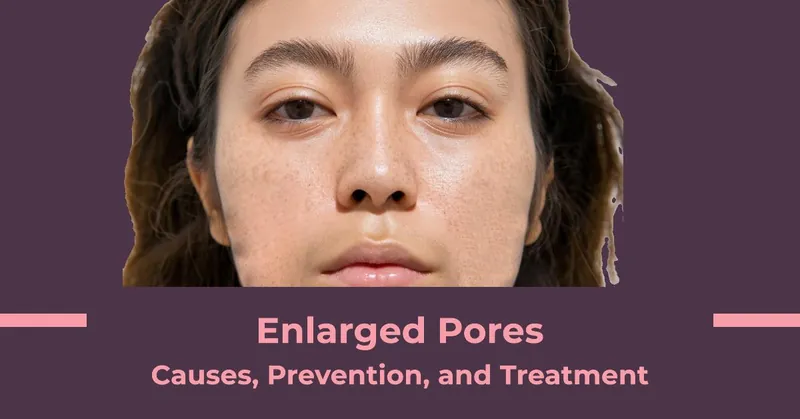
Large pores are a common complaint. While you cannot “erase” pores, you can make them look much smaller. When your skin is oily and the texture is rough, pores look stretched and dark. Because Niacinamide balances oil and helps the skin stay firm, your pores look more refined and less noticeable. This gives your face a smoother, “airbrushed” look.
Skin Brightening
Dark spots or patches of uneven color can make the skin look tired. These spots happen when “melanin” (color pigment) moves to the surface of your skin. Niacinamide acts like a crossing guard. It stops the transfer of that pigment so it never reaches the top layer. Over time, this helps fade dark spots and makes your whole face look brighter and more even.
Anti-Aging
As we get older, our skin loses its “bounce.” This is because we have less collagen, which is the protein that keeps skin firm. Niacinamide helps stimulate your body to make more collagen. This fills in fine lines and makes wrinkles look less deep. It helps your skin stay firm and youthful by supporting the skin’s natural structure.
Comparison Table: Skin Concerns and Results
| Skin Concern | Niacinamide’s Biological Action | Expected Result |
| Redness/Blotchiness | Calms the skin’s inflammatory response. | A calm, even-toned complexion. |
| Oily Skin | Balances the production of sebum (oil). | Less shine and fewer clogged pores. |
| Enlarged Pores | Improves skin elasticity and texture. | Pores look smaller and smoother. |
| Dark Spots | Blocks the movement of pigment (melanin). | Brighter skin and faded spots. |
| Fine Lines | Boosts the creation of collagen and ATP. | Firmer, younger-looking skin. |
Targeted Solutions for Specific Skin Conditions

Strategic Importance: For people with chronic skin issues, finding a “multitasker” is a strategic win. It reduces the number of products you need, which lowers the chance of causing more irritation. Niacinamide is unique because it is powerful enough for medical-grade concerns but gentle enough for daily use.
Rosacea
Rosacea causes a “visible flush” or constant redness on the cheeks and nose. In my professional experience, many people with Rosacea feel like their skin is always “on edge.” This happens because the skin barrier is weak, leaving tiny nerves exposed to the environment. Niacinamide is a game-changer here because it strengthens that barrier and actually helps calm the skin’s nervous system. By making the “mortar” between your skin cells thicker, it protects those sensitive nerves. This reduces flushing and makes the skin less reactive to the wind or sun.
Acne-Prone Skin
Acne is a double problem: you have too much oil, and you have red, painful breakouts. Niacinamide helps with both. First, it stops the excess oil that clogs pores. Second, it soothes the redness of the pimples you already have. This “double-action” makes it a favorite for teenagers and adults alike. Experts at Dermcollective note that its anti-inflammatory side is especially helpful for calming active breakouts. It helps the skin heal without leaving behind as many dark “post-acne” marks.
Eczema
People with eczema have very dry, itchy skin that often cracks. This happens because their skin barrier is not holding in water. Niacinamide helps restore that moisture by rebuilding the skin’s natural fats. It seals the tiny cracks that make skin feel “raw.” This stops the itch and helps the dry patches heal faster. Because it is so gentle, it rarely stings even on very dry skin.
The Synergy Layer: Combining Niacinamide with Other Actives
Strategic Importance: “Ingredient layering” is a strategic way to get the best results for your skin. When you pair Niacinamide with other active ingredients, you can make them work harder while keeping your skin safe from irritation. It is about working smarter, not just using more products.
With Hyaluronic Acid
This is the ultimate duo for hydration. Imagine your skin is like a sponge. Hyaluronic acid acts like a sponge that pulls water from the air into the skin. Niacinamide then acts like a lid that seals that water in by strengthening the barrier. Together, they make your skin look plump, dewy, and very healthy. If you live in a dry climate, this pair is a must-have.
With Retinol
Retinol is famous for its anti-aging powers, but it can be very harsh. Imagine you have started using a strong Retinol, and after two days, your skin feels tight, itchy, and starts to peel. This is very common. Niacinamide acts as a “buffer.” It calms the skin and keeps it strong so that the Retinol can do its work without causing as much pain. This allows you to get the benefits of both without the “downside” of red, flaky skin.
With Vitamin C
There used to be an old myth that you couldn’t use these two together. However, modern science shows that they actually work very well as a team. Imagine you have a few dark spots from the sun. Vitamin C works to brighten the surface of your skin, while Niacinamide works on the texture and the barrier. Using them together gives you a double dose of brightening power.
Implementation Guide: How to Use Niacinamide Effectively
Strategic Importance: The method of application is just as important as the ingredient itself. If you want long-term health, you need a clear, daily routine that makes sense. Consistency is the real “secret” to seeing changes in your skin over time.
A Simple Step-by-Step Routine
- Cleanse: Use a gentle wash to get rid of dirt and sweat.
- Tone: This balances your skin and gets it ready for the next step.
- Niacinamide Serum: Apply a few drops to your face while it is still slightly damp. This helps it soak in better.
- Moisturize: This locks in the serum and adds an extra layer of protection.
- SPF: During the day, always finish with sunscreen. Sun damage can undo all the good work your skincare is doing.
Understanding Concentrations
Not all products are the same strength. Based on clinical data, here is how to choose the right percentage:
- 2% Concentration: This is often considered “clinical-grade” for basic barrier repair. It is perfect if you have very sensitive skin or just want to keep your skin healthy and hydrated.
- 5% Concentration: This is the “sweet spot” for most people. It is strong enough to fade dark spots and help with aging without causing any irritation.
- 10% Concentration: This is the threshold for significant oil control. If your main goal is to stop shine and shrink the look of pores, look for a 10% serum.
- A Warning on High Percentages: You might see some products with 15% or 20%. Be very careful! Using too much can sometimes cause a little redness if you aren’t used to it. It is usually best to stay in the 5% to 10% range. If you want to try a higher amount, test it on a small patch of skin first.
Trust and Transparency: Debunking Common Myths

Strategic Importance: Clearing up misinformation is vital for building a trustworthy relationship with your skin. When you know the truth, you won’t be scared away by myths that have no scientific backing.
- Myth: Niacinamide causes “Skin Purging.”
- Scientific Truth: Skin purging (a temporary breakout) happens with ingredients that speed up cell turnover, like acids. Niacinamide does not cause purging. If you have a breakout after using it, your skin might be reacting to another ingredient in the product, or the product might be too heavy for your skin type.
- Myth: It is only for Oily Skin.
- Scientific Truth: While it is amazing for oil, dry and sensitive skin types need it just as much. Because it builds up the “mortar” in your skin barrier, it helps dry skin stay hydrated and protects sensitive skin from getting red.
- Myth: You can’t use it with Vitamin C.
- Scientific Truth: This is an old idea based on tests from decades ago. In modern skincare products, these two are stable and safe to use together. They are actually a “power couple” for making your skin look bright and glowing.
Conclusion: Achieving Lasting Skin Health
Taking care of your skin is a long-term investment in your personal wellness. You don’t always need the most expensive products or the harshest chemicals to see a real change. Vitamin B3 is a perfect example of a low-risk, high-reward ingredient. It is gentle enough for someone with very sensitive skin but powerful enough to help with adult concerns like deep wrinkles and acne.
By understanding how this vitamin works at a cellular level, you can take control of your skincare journey. Whether you want to calm redness, stop the midday shine, or fade away a few stubborn dark spots, this vitamin offers a versatile solution that fits into any lifestyle. It works with your body’s natural systems to build a stronger, healthier version of your skin from the inside out. By following a simple routine and choosing the right strengths for your needs, you can enjoy all the wonderful Niacinamide Benefits.
- Niacinamide’s powerful benefits for your skin
https://curology.com/blog/niacinamides-powerful-benefits-for-your-skin/ - What to Know About Niacinamide Skin Care
https://www.webmd.com/beauty/what-to-know-about-niacinamide-skin-care - Niacinamide: Skin Care Benefits, Uses, Side Effects
https://dermcollective.com/niacinamide-benefits/

Meet Donna: Founder & Lead Curator
Hi, I’m Donna, the voice and vision behind Aesthetic Thrive.
As a professional digital content creator and wellness strategist, I founded this platform to simplify the journey toward a more beautiful, balanced life. My background is rooted in a deep passion for fashion, intentional living, and holistic health. For years, I have dedicated my career to researching how the environments we build both within our bodies and in our homes directly affect our daily confidence and long-term well-being. Read More!