Power of Antioxidants in Anti-Aging: Revitalize Your Skin
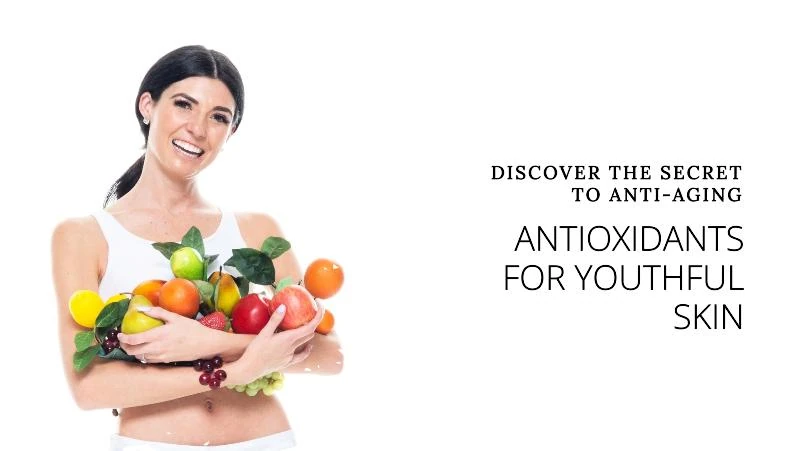
Imagine your skin is a high-tech suit of armor. Every day, this armor protects you from the world. However, even the strongest armor can get worn down by tiny, invisible “wrecking balls” called free radicals. This is where the use of antioxidants in anti-aging becomes your most important strategy. Think of antioxidants as a specialized repair crew and a protective shield rolled into one. In simple terms, antioxidants are tiny molecules that stop these “wrecking balls” from damaging your skin cells. They are the peacekeepers that keep your skin looking fresh, smooth, and healthy by stepping in before damage becomes permanent.
The primary goal of this article is to provide a deep, expert-guided look at how these molecules protect your skin from the passage of time. As a professional wellness strategist, I want to move you past basic marketing labels. We are going to look at the actual biological “why” behind these ingredients. To truly revitalize your skin, we must first understand that aging isn’t just a birthday; it is a biological process we can influence. Understanding the “why” behind skin damage is the first step to fixing it.
- The Invisible Battle: Understanding Oxidative Stress
- The Big Three: Evaluating Vitamin C, E, and Niacinamide
- Beyond the Basics: Green Tea, Resveratrol, and Coenzyme Q10
- Strategic Application: Building Your Morning and Evening Routines
- Targeted Solutions: Matching Antioxidants to Skin Concerns
- The Expert’s Reality Check: Stability, Storage, and Sunscreen
- Advanced DIY: Transparent Recipes for At-Home Care
- Conclusion: Your Journey to Radiant Skin
- Meet Donna: Founder & Lead Curator
The Invisible Battle: Understanding Oxidative Stress
Making smart choices for your skin requires more than just buying the prettiest bottle on the shelf. It requires a strategic understanding of molecular biology. When we understand how our skin works at a cellular level, we stop guessing and start giving our skin exactly what it needs to thrive. This “expert lens” allows you to see your skincare routine not as a chore, but as a biological intervention.
The science behind antioxidants is a battle for stability. Our bodies and our environment produce “free radicals.” These are unstable molecules that are “missing” an electron. Because they are incomplete, they act like thieves, bumping into healthy skin cells to steal what they need. This constant thievery leads to a state called oxidative stress.
Expert Insight: The “So What?” of Oxidative Stress: Why does this matter to you? When free radicals steal electrons from your skin’s proteins, they cause a process called “cross-linking.” Imagine the collagen fibers in your skin are like smooth, flexible springs. Cross-linking acts like a drop of superglue between those springs, making them stiff and brittle.
This matters because when collagen becomes brittle, it snaps. This is the exact mechanism that creates a wrinkle or causes skin to sag. Antioxidants prevent this by “donating” an electron to the free radical. They give the thief what it wants, so it doesn’t have to rob your collagen.
To understand the strategic importance of this battle, look at how everyday factors impact your biology:
| Environmental Factor | Impact on Skin Cells | “So What?” (The Result) |
| UV Radiation (Sun) | Breaks down collagen and elastin fibers. | Leads to deep wrinkles and “leathery” texture. |
| Pollution & Smog | Triggers “micro-inflammation” in the pores. | Causes a dull, grayish skin tone and “smog-aging.” |
| Cigarette Smoke | Depletes oxygen and vitamin stores in the skin. | Creates a “parched” look and thins the skin. |
| Natural Metabolism | Produces internal waste (ROS) during energy creation. | Causes “cellular rusting” that slows down repair. |
Once we identify these enemies, we can choose the right “soldiers”—or specific antioxidant ingredients—to fight back and restore our skin’s youthful vitality.
The Big Three: Evaluating Vitamin C, E, and Niacinamide
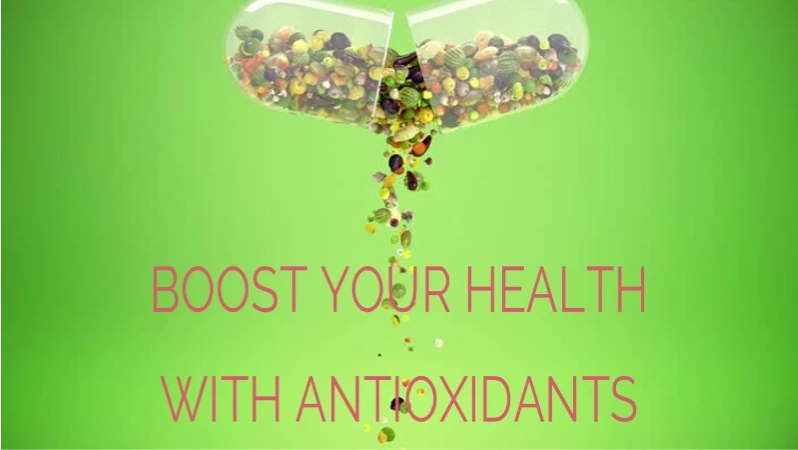
Not all antioxidants are created equal. In the world of dermatological science, the concentration of an ingredient and its specific chemical form determine whether a product is a miracle worker or just a basic moisturizer. Choosing the right concentration is the difference between surface-level hydration and deep cellular repair.
Vitamin C (Ascorbic Acid): The Brightening Powerhouse
Vitamin C is perhaps the most famous soldier in the anti-aging army, but it is also the most misunderstood.
- The Melanin Factory: Vitamin C acts as an inhibitor for an enzyme called tyrosinase. Think of tyrosinase as the manager of your skin’s “melanin factory.” When the sun hits your skin, this manager goes into overtime, creating dark spots. Vitamin C tells the manager to slow down, ensuring your skin tone remains even.
- Collagen Boosting: Vitamin C is a “co-factor.” This means your body literally cannot build the “glue” (collagen) that holds your skin up without it.
- Strategic Concentration: For clinical results, look for a concentration between 10% and 20%. Anything less may not provide enough “electrons” to fight the battle, and anything more can cause irritation and redness.
Vitamin E (Tocopherol): The Barrier Guard
Vitamin E is a fat-soluble molecule, which means it loves to live in the oily parts of your skin cells.
- Skin Barrier Support: It reinforces the “brick and mortar” structure of your skin. This matters because a strong barrier prevents “Trans-Epidermal Water Loss” (TEWL). When you keep water inside, your skin stays “plump,” making fine lines less visible.
- The Synergy Effect: Vitamin E has a unique superpower—it can “recharge” Vitamin C. Once Vitamin C gives away its electron to a free radical, it’s “spent.” Vitamin E steps in to give Vitamin C a fresh electron, allowing it to go back to work.
Niacinamide (Vitamin B3): The Multi-Tasker
Niacinamide is the “versatile veteran” of skincare.
- Pore Refinement: It helps keep the “lining” of your pores elastic. This matters because when pores lose elasticity, they stretch out and look like an orange peel texture. Niacinamide helps them snap back.
- Yellowing Prevention: As we age, our skin can undergo “glycation,” which makes the skin look yellow or sallow. Niacinamide prevents this chemical “browning” of the skin proteins.
- Strategic Concentration: While 20% Niacinamide is common in stores, clinical research shows that 5% is the “sweet spot.” This matters because higher concentrations can actually cause “niacin flushing” (redness) in sensitive individuals.
The Superpower Contrast:
- Vitamin C is your Offensive Strategy: It attacks dark spots and builds new support structures.
- Vitamin E is your Defensive Strategy: It reinforces the walls and keeps the interior hydrated.
- Niacinamide is your Administrative Strategy: It organizes the skin’s surface and keeps everything running smoothly.
Beyond the Basics: Green Tea, Resveratrol, and Coenzyme Q10
To achieve a truly revitalized complexion, we must look toward a multi-layered defense system. Just as a healthy diet requires more than just one type of vegetable, your skin thrives when it receives a diverse range of antioxidant sources.
Green Tea (Polyphenols) Green tea is packed with “EGCG,” a specific type of polyphenol. These are nature’s anti-inflammatory experts. This matters because inflammation is a “slow fire” that melts away your collagen. When your skin is stressed or red, green tea polyphenols act like a cooling mist. They put out the “fire” of inflammation before it can do permanent damage to your skin’s texture.
Coenzyme Q10 (Ubiquinone) As we age, the “batteries” in our skin cells (mitochondria) start to run low. They don’t repair themselves as fast as they used to. Coenzyme Q10 is a naturally occurring molecule that helps “recharge” these batteries. By giving the skin the fuel it needs, CoQ10 allows cells to perform their repair duties more efficiently, resulting in smoother, more energized-looking skin.
Resveratrol: The Cellular Bodyguard Derived from red grapes, Resveratrol is a specialized antioxidant that works on a deeper level.
- Longevity Pathways: Resveratrol is known to activate “sirtuins,” which are proteins that protect the DNA of your skin cells.
- So What? Why does this matter for you? Resveratrol specifically helps your skin defend itself against environmental stress at a cellular level. It is like having a bodyguard that watches the perimeter of your cells, ensuring that the “wrecking balls” of pollution don’t even get close to the delicate instructions inside your DNA.
Strategic Application: Building Your Morning and Evening Routines
Timing is everything in professional skincare strategy. Your skin has a “circadian rhythm”—a natural clock that changes its needs. During the day, your skin is in “Protection Mode.”
At night, the blood flow to your skin increases, and it switches to “Repair Mode.” Aligning your routine with these natural cycles ensures you get the most out of your products.
The Morning Routine: Focused on Protection
- Gentle Cleanser: Start with a clean slate to remove any nighttime oils.
- Vitamin C Serum: Apply this first. We prioritize Vitamin C in the morning because it is a “photoprotector.” This means it neutralizes the free radicals created by the sun’s UV rays, the very second they hit your skin.
- Antioxidant Moisturizer: Look for a cream with Vitamin E or Niacinamide to lock in the serum and provide a second layer of defense.
- Broad-Spectrum Sunscreen: This is non-negotiable. Sunscreen stops the rays; antioxidants clean up the few rays that get through.
The Evening Routine: Focused on Repair
- Double Cleanse: Use an oil-based cleanser followed by a water-based one. This matters because “thin content” routines ignore the fact that pollution and sunscreen are “lipophilic” (oil-loving) and won’t wash off with water alone.
- Repair Serum: This is the time for Resveratrol or Coenzyme Q10. These ingredients work best when the skin’s pH is slightly more acidic at night, allowing for deeper penetration.
- Hydrating Moisturizer: Use a richer cream with Niacinamide to support the “brick and mortar” barrier while you sleep.
By following this schedule, you are strategically placing your “protection” during the hours of highest risk and your “repair” during the hours of highest recovery.
Targeted Solutions: Matching Antioxidants to Skin Concerns
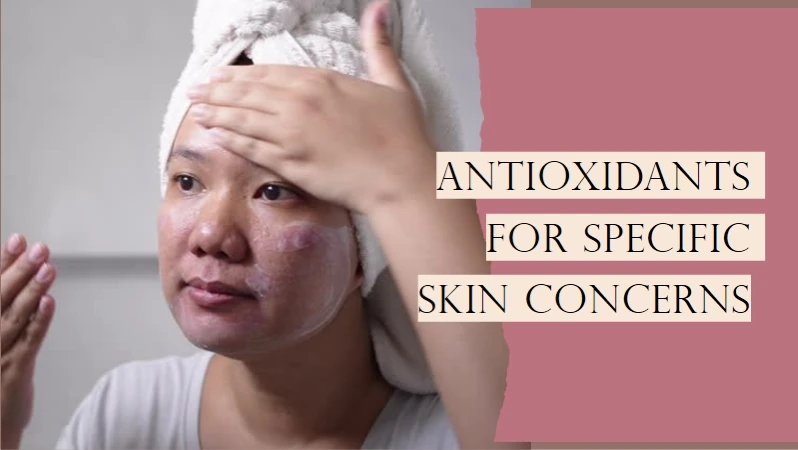
Skincare is not “one size fits all.” A high-value strategy involves matching specific ingredients to your unique skin concerns. Using the wrong antioxidant for your skin type can lead to frustration and wasted time.
Aging Skin
- The Strategy: Focus on “Cellular Energy.”
- The Ingredients: Retinol and Coenzyme Q10.
- The Impact: Retinol tells your skin to make new cells faster, pushing old, tired cells away. CoQ10 provides the energy for this “heavy lifting.” Together, they significantly reduce the look of sagging.
Hyperpigmentation (Dark Spots)
- The Strategy: Focus on “Enzyme Inhibition.”
- The Ingredients: Vitamin C and Licorice Root.
- The Impact: These ingredients shut down the “melanin factory” manager (tyrosinase). This matters because it doesn’t just lighten the spot you have; it stops the next spot from forming underground.
Sensitive Skin
- The Strategy: Focus on “Barrier Fortification.”
- The Ingredients: Green Tea and Niacinamide.
- The Impact: These ingredients soothe the “micro-fires” of inflammation and thicken the skin’s outer layer. A thicker barrier means fewer things can get inside to irritate you.
Acne-Prone Skin
- The Strategy: Focus on “Sebum Regulation.”
- The Ingredient: Niacinamide.
- The Impact: Niacinamide tells your oil glands to stop overproducing. This matters because less oil means fewer “clogs” for bacteria to grow in, leading to clearer skin without the dryness caused by harsh acids.
The Expert’s Reality Check: Stability, Storage, and Sunscreen
Even the most expensive antioxidant products will fail if they aren’t handled with care. The integrity of the product is vital to its success.
The Stability Challenge: Antioxidants are, by their nature, very reactive. This makes them great for your skin, but difficult to keep in a bottle. Vitamin C (L-ascorbic acid) is the most sensitive. If it is exposed to too much light, air, or heat, it will “oxidize.” This means it has already used up its electrons fighting the air inside the bottle. You can tell this has happened if your clear serum turns brown or dark orange.
Product Integrity: If your serum has changed color, do not put it on your face. Once oxidized, the Vitamin C can actually become a “pro-oxidant,” meaning it could create more stress for your skin instead of fixing it. To protect your investment, always choose products in opaque (dark) and airtight (pump-style) containers.
It is a common mistake to think antioxidants can replace your SPF. They cannot. Sunscreen is your “Front Door Lock” that keeps out 97% of UV rays. Antioxidants are the “Security Guards” inside the house that catch the 3% that slip through. You need the lock to stay safe, but you need the guards to handle the intruders.
Advanced DIY: Transparent Recipes for At-Home Care
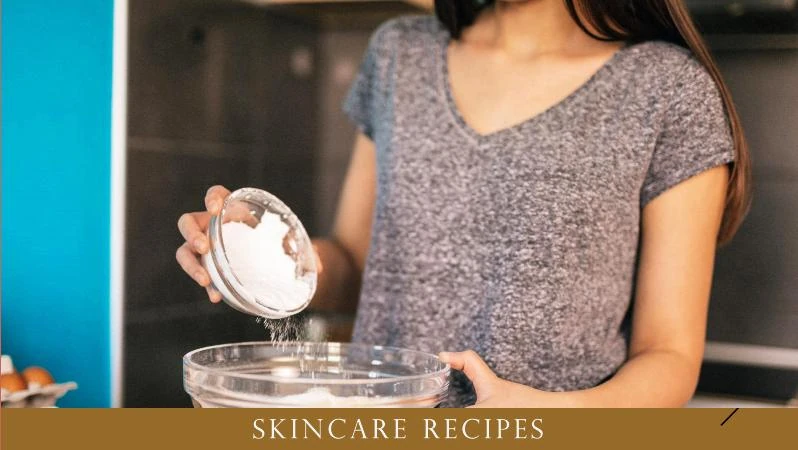
For those who want to be more hands-on, DIY recipes can be effective—provided you follow the proper science. Transparency in the creation process is the difference between a spa day and a skin disaster.
Green Tea and Honey Face Mask
- The “Why”: Honey is a natural “humectant,” meaning it acts like a magnet for water. We use green tea not just for the smell, but to extract polyphenols through “aqueous infusion.”
- The “How”: Brew a high-quality green tea bag in only 2 ounces of water to ensure a high concentration of EGCG. Let it cool completely.
- The Recipe: Mix 1 tablespoon of this concentrated green tea with 1 tablespoon of raw honey. Apply for 15-20 minutes. The honey holds the antioxidants against the skin, forcing them to penetrate the surface.
Vitamin C and Rosehip Oil Serum (The Science Fix)
- The Stability Warning: Many online recipes tell you to mix Vitamin C powder directly into oil. This is a scientific mistake! L-ascorbic acid is water-soluble, meaning it will not dissolve in oil. If you mix it into oil alone, you will just have a gritty, sandy liquid that your skin cannot absorb.
- The “How”: You must first dissolve the powder in a “bridge” liquid.
- The Recipe:
- Dissolve 1/2 teaspoon of pure L-ascorbic acid powder into 1 teaspoon of distilled water.
- Stir until the liquid is completely clear—this means the molecules are now small enough to enter your pores.
- Add 1 tablespoon of Rosehip oil and shake vigorously.
- Because this has no preservatives, make a fresh batch every 3 days.
Conclusion: Your Journey to Radiant Skin
The transformative power of a consistent antioxidant regimen cannot be overstated. By understanding the invisible battle of oxidative stress—the cross-linking of collagen and the thievery of electrons—you can choose the right molecular “soldiers” to protect your complexion.
However, remember that antioxidants work best as part of a comprehensive routine. They are high-performing tools that need a foundation of proper double-cleansing and daily sun protection. Whether you choose a professional 15% Vitamin C serum or a carefully crafted DIY mask, the key is consistency.
Your skin’s biology doesn’t change overnight, but with strategic care, you can influence how it ages. Start your journey today, and give your skin the shield it deserves to remain youthful and radiant. Investing in antioxidants for anti-aging is the most strategic move you can make for your long-term wellness.
- What to know about antioxidants for skin
https://www.medicalnewstoday.com/articles/antioxidants-for-skin - Harnessing the Power of Science
https://ubeauty.com/blogs/the-u-beauty-blog/antioxidants-in-skincare - Antioxidants and Skin Protection
https://www.scienceopen.com/document_file/804cde50-de55-46de-8959-69dbcd57387c/PubMedCentral/804cde50-de55-46de-8959-69dbcd57387c.pdf - Evidence-Based Utility of Adjunct Antioxidant Supplementation for the Prevention and Treatment of Dermatologic Diseases
https://www.mdpi.com/2076-3921/12/8/1503

Meet Donna: Founder & Lead Curator
Hi, I’m Donna, the voice and vision behind Aesthetic Thrive.
As a professional digital content creator and wellness strategist, I founded this platform to simplify the journey toward a more beautiful, balanced life. My background is rooted in a deep passion for fashion, intentional living, and holistic health. For years, I have dedicated my career to researching how the environments we build both within our bodies and in our homes directly affect our daily confidence and long-term well-being. Read More!