The Role of Peptides in Anti-Aging Skincare: A Full Guide
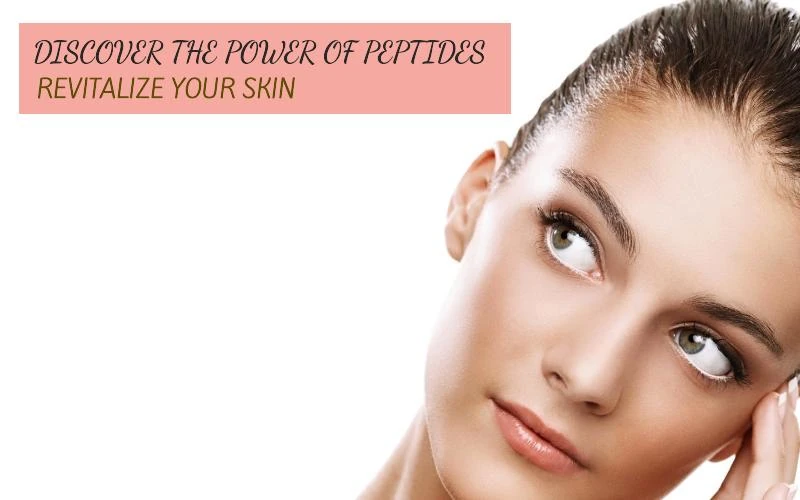
Spending hundreds of dollars on skincare products that promised the world but delivered very little. It is frustrating to feel like you are guessing when it comes to your own face. As we get older, our skin undergoes a natural process of change that can feel out of our control. The truth is that your skin is a living, breathing organ. To stay strong, it relies on a very complex system of communication. When we are young, this system is loud and clear. As time passes, those signals start to fade. This is why peptides in anti-aging skincare have become a true cornerstone of modern science.
Peptides are more than just a passing trend in the beauty world. They are vital “messengers” that tell your skin exactly what it needs to do to stay healthy. Instead of just sitting on top of the skin like a thick mask, they talk to your cells. They help your skin behave as it did years ago. Understanding these molecules is the key to moving past basic hydration and into real, lasting repair.
In this guide, we will look at how these tiny molecules can fundamentally change your skin’s health and help you maintain a firm, radiant appearance for the long term.
- What Exactly Are Peptides?
- The Science of How Peptides Work
- Identifying the Four Key Types of Peptides
- Substantial Benefits for Aging Skin
- Peptides vs. Other Skincare Heavyweights
- Mastering Your Skincare Routine
- Top Peptide-Infused Products to Consider
- Myths, Facts, and Safety Precautions
- Conclusion: Your Journey to Radiant Skin
- Meet Donna: Founder & Lead Curator
What Exactly Are Peptides?
To understand peptides, we need to look at the basic building blocks of the human body. Our skin, muscles, and hair are primarily made of proteins. Those proteins are created from smaller units called amino acids. When amino acids link together in short chains, they form peptides. When those chains grow much longer and fold into complex shapes, they become full proteins like collagen and elastin. Without these building blocks, your skin would lose its shape and strength entirely.
Think of peptides as the raw materials your body uses to build a strong house. The most famous protein in your skin is collagen. In clinical terms, collagen is the “glue” that holds everything together. It provides the framework that keeps your face looking full, lifted, and smooth.
Unfortunately, as we age, our natural production of collagen begins to drop. When this happens, the “glue” starts to fail. The result is what we see in the mirror: sagging, deeper lines, and a loss of that youthful “bounce.” By applying peptides through your skincare routine, you are giving your skin the exact tools it needs to keep that structure from falling apart.
The Science of How Peptides Work
The reason peptides are so effective is due to the skin’s internal “messenger” system. Our skin cells are constantly talking to each other to manage growth and fix daily damage. However, as we age—or as we spend too much time in the sun—those messages get lost. This is where topical peptides come in. They are designed to penetrate the outer layer of the skin and deliver a biological “memo” to the deeper levels where new skin is created.
When you apply a peptide-based serum or cream, you are not just adding moisture. You are sending a signal that tells your skin to get back to work. These molecules “trick” the skin into thinking there has been a breakdown in collagen. In response, the skin starts a repair process. This communication at a cellular level is the true key to repair. Instead of just covering up a wrinkle, you are encouraging the body to fill that wrinkle from the inside out using its own natural processes.
Here is a deeper look at the three main tasks these cellular messengers perform:
- Collagen Stimulation: They send a direct signal to the fibroblasts—the specialized cells in your skin—telling them to produce more collagen and elastin. This is what leads to firmer skin.
- Damage Repair: Peptides help the skin recover from environmental stress, such as pollution or UV rays. They ensure the surface stays smooth and capable of healing quickly.
- Barrier Maintenance: They reinforce the protective outer layer of your skin. A strong barrier is your first line of defense against dryness and irritation.
Identifying the Four Key Types of Peptides
Not all peptides are built the same way. Choosing the right peptide is like choosing the right tool for a job. While some are great for building strength, others are better for healing or smoothing out lines. This is why a “multi-peptide” approach is almost always better than using just one type. When you combine different peptides, they work together to address aging from every possible angle.
| Peptide Type | What It Does | Skin Impact |
| Signal Peptides | Sends messages to cells to create new proteins. | Focuses on increasing collagen and elastin production for firmness. |
| Carrier Peptides | Delivers trace elements like copper and magnesium to the skin. | Enhances wound healing and helps natural enzymes function better. |
| Enzyme Inhibitor Peptides | Stops enzymes from breaking down existing proteins. | Helps preserve the collagen and elasticity you already have. |
| Neurotransmitter Inhibitor Peptides | Reduces the signals that cause facial muscle contractions. | Provides a “botox-like” effect to smooth out expression lines. |
For a full transformation, you want a product that offers a blend. For example, while signal peptides are busy building new structure, carrier peptides deliver vital magnesium and copper to help with the healing process. This synergy ensures that you are both building new health and protecting the health you already have.
Substantial Benefits for Aging Skin

The cumulative effects of using peptides are significant. These molecules provide a full range of support that changes how your skin looks in the light and how it feels to the touch.
1. Collagen Synthesis and Fine Lines
The primary reason people seek out peptides is to boost collagen synthesis. When your skin receives the signal to make more collagen, it starts to repair the “foundation” of your face. Think of the collagen matrix like the wood frame of a house. When that frame is strong, the walls stay straight and smooth. When the frame weakens, you see cracks. In skin, those cracks are fine lines.
Peptides help fill those cracks by rebuilding the frame. This has a direct and visible impact on the texture of your skin. Over time, consistent use leads to a smoother surface and a reduction in the depth of wrinkles. This is the “So What?” of peptides: they don’t just hide the signs of aging; they address the structural failure that causes them in the first place. This leads to a lasting sense of confidence in your complexion.
2. Barrier Strength and Hydration
Your skin barrier is like a protective shield or a coat of armor. Its job is to keep the “good stuff” (moisture) in and the “bad stuff” (pollution and bacteria) out. When this shield is weak, moisture leaks out, leaving your skin looking dull, dry, and older than it is. Peptides are essential for reinforcing this shield, making it much harder for water to escape.
A strong barrier is the real secret to that “glow” everyone wants. When your skin is properly hydrated because its shield is intact, it looks plump and healthy. This prevents the tight, itchy feeling that often comes with aging or harsh weather. By using peptides to build barrier strength, you are ensuring your skin stays resilient and comfortable throughout the day, no matter what the environment throws at it.
3. Improving Skin Elasticity
Elasticity is what we call the skin‘s “snap-back” quality. If you pinch your cheek and it takes a moment to return to its original shape, your elasticity is likely declining. The degradation of elastin fibers often causes this due to years of UV exposure from the sun. Peptides are highly effective at telling your body to produce more elastin, which is the protein responsible for this “snappiness.”
Maintaining this elasticity is vital for preventing sagging. When the skin has a healthy supply of elastin, it can resist gravity much better. This results in a face that looks more lifted and contoured. Peptides help maintain this firm, snappy quality, ensuring that your skin does not become loose or “crepy” as you move through your 40s, 50s, and beyond.
4. Reduction of Inflammation
Aging is often accelerated by chronic, low-grade inflammation, which can be caused by stress, diet, or the environment. Some peptides have great anti-inflammatory properties that help soothe the skin and reduce redness. This is especially helpful for people who have sensitive skin but still want to use powerful anti-aging ingredients.
By calming the skin down, peptides allow the body to focus its energy on repair rather than just trying to survive irritation. Reducing this redness and “heat” in the skin leads to a more even tone and a calmer appearance. This soothing effect is the “So What?” for anyone struggling with sensitivity: it means you can achieve a younger look without the pain or redness that other treatments might cause.
5. Antioxidant Protection
Finally, peptides offer a layer of antioxidant protection. Our skin is constantly attacked by “free radicals.” These are unstable molecules caused by the sun, smoke, and pollution that act like tiny “bombs,” damaging your skin cells. Some peptides act as a defense system, neutralizing these free radicals before they can cause deep-seated damage like dark spots or deep wrinkles.
Think of this protection as a form of insurance for your future skin. While you might not see the damage happening in the moment, it adds up over years. By incorporating peptides, you are defending your skin’s future health. This keeps your complexion looking radiant and vibrant, preventing the “dullness” that often makes skin look older than its true age.
Peptides vs. Other Skincare Heavyweights
When you are building a routine, it is helpful to see how peptides compare to other famous ingredients. The best results often come from “synergy”—using these ingredients together so they can help each other work better.
Peptides vs. Retinoids
Retinoids (like Retinol) are the “gold standard” for cell turnover. They are very strong but can be very harsh, often causing peeling and irritation. Peptides are the much gentler cousin. They offer similar collagen-boosting benefits without the “burn.” If your skin is too sensitive for daily retinol use, peptides are a great, effective alternative that still delivers clinical results.
Peptides vs. Hyaluronic Acid
Hyaluronic acid is a superstar for surface hydration. It can hold a massive amount of water, which makes skin look temporarily plump. However, it does not fix the skin’s actual structure. Peptides and hyaluronic acid are a perfect match: the acid provides the immediate moisture “drink,” while the peptides do the long-term “renovation” work on the skin’s structure and firmness.
Peptides vs. Vitamin C
Vitamin C is a potent antioxidant that brightens dark spots. When you use Vitamin C and peptides together, you create a powerful duo. Vitamin C protects the surface and brightens the tone, while peptides work underneath to build new collagen. Using both together results in a complexion that is both brighter and much firmer.
Mastering Your Skincare Routine

To get the most out of your peptide products, you need to be strategic. The way you layer your products determines how much of the ingredient actually gets into your skin cells.
- Product Selection: Look at the ingredient list on the back of the bottle. You want to see peptides near the top of the list. If they are at the very bottom, there may not be enough in the bottle to actually change your skin.
- Correct Layering: Always apply your peptide serums after you wash your face but before you apply heavy creams. These tiny molecules need to get close to the skin to work. A very important note: avoid mixing peptides with exfoliating acids (like Glycolic or Salicylic acid) at the exact same time. The high acidity can cause hydrolysis, which is a scientific process where the peptide bonds are broken down and made useless. Use your acids at night and your peptides in the morning to avoid this.
- Consistency: This is the most important rule. Peptides take time to work because they are changing how your cells behave. You should aim to use them twice a day for at least 8 to 12 weeks. Real change happens slowly, but it is much more lasting than a quick “fix.”
Top Peptide-Infused Products to Consider
Choosing a well-formulated product is essential. Here are some of the top choices based on clinical effectiveness:
- CeraVe Skin Renewing Night Cream: This is a standout choice for nighttime repair. During the night, your skin goes through its natural “circadian repair cycle.” This cream uses peptides to support that natural renewal process, focusing on protection and barrier health while you sleep. Consultant’s Note: This is great for those with dry or sensitive skin who want a simple, effective night routine.
- Olay Regenerist Micro-Sculpting Cream: This is a classic for a reason. It uses a specialized amino-peptide complex to hydrate and firm. The formula is designed to push those peptides deep into the surface. Consultant’s Note: This is an excellent “all-in-one” moisturizer for someone who wants to target fine lines without a 10-step routine.
- Neutrogena Rapid Wrinkle Repair Regenerating Cream: This product is unique because it combines peptides with a gentle retinol. This duo provides a “double-hit” of anti-aging power, smoothing the surface and building collagen at the same time. Consultant’s Note: Be careful to start slowly with this one to ensure your skin tolerates the retinol.
- The Ordinary “Buffet” + Copper Peptides 1%: This is a very high-tech serum for a low price. The 1% concentration of copper peptides is a specific clinical detail that makes this product very effective for healing and overall skin health. Consultant’s Note: The blue color is natural for copper peptides—don’t let it surprise you!
- Drunk Elephant Protini Polypeptide Cream: This moisturizer is packed with a blend of nine signal peptides and, crucially, growth factors. Growth factors are proteins that help with cell growth and repair. Consultant’s Note: This is one of the best “firming” creams on the market because it uses multiple peptide types and amino acids to improve skin firmness and elasticity in one jar.
Myths, Facts, and Safety Precautions
Skincare can be full of misinformation. Let’s look at the reality of using peptides in anti-aging skincare.
| Myth | Fact |
|---|---|
| Peptides work as fast as Botox. | While neurotransmitter inhibitor peptides are often referred to as “botox-like” because they minimize expression lines by reducing facial muscle contractions, they are topical messenger molecules rather than injections. Unlike the rapid results of Botox, peptides must penetrate the skin to stimulate collagen and elastin, requiring consistent application over several weeks or months to see structural improvements. |
| Peptides replace sunscreen. | Peptides cannot block UV rays and should never be used as a substitute for sun protection. While they help strengthen the skin barrier and provide antioxidant protection against environmental damage, they must be used in conjunction with daily sunscreen to maintain a comprehensive and effective skincare routine. |
| All peptides are the same. | Different peptides serve unique biological functions, and not all provide the same results. Effective formulations often utilize a blend of specific types, such as signal peptides for collagen production, carrier peptides for wound healing, enzyme inhibitors to preserve firmness, and neurotransmitter inhibitors to smooth wrinkles. |
Safety Instruction: Peptides are very safe, but everyone’s skin is different. Always do a “Patch Test.” Apply a tiny bit of product to your inner wrist or behind your ear and wait 24 hours. If there is no redness or itching, it is safe for your face.
If you have a serious skin condition like rosacea or severe acne, it is always a great idea to speak with a dermatologist before starting a new active ingredient.
Conclusion: Your Journey to Radiant Skin
Adding peptides in anti-aging skincare to your daily regimen is one of the smartest investments you can make for your long-term health. These molecules offer a unique balance of professional-level effectiveness and daily gentleness. By acting as the “messengers” that tell your skin to build, repair, and protect itself, peptides help you achieve a complexion that is healthy from the inside out.
Remember that great skin is not the result of one expensive treatment, but the result of consistent, smart choices. Skincare is an investment in your long-term confidence. By choosing high-quality products and using them faithfully, you can embrace the science of peptides and enjoy a firmer, smoother, and more youthful-looking face for many years to come. Start your journey today and see the difference these powerful molecules can make for you.
- Peptides for Skin Care: Are They Worth It?
https://health.clevelandclinic.org/peptides-for-skin - Deep Dive into Peptides and Skin Care
Deep Dive into Peptides and Skin Care | Maelove Skincare - The 18 best peptide skin care products for plumper skin
18 best peptide skin care products 2023 | CNN Underscored - Peptides and Your Skin Care Routine
Peptides for Skin: Benefits, What to Look for, and Side Effects (healthline.com) - Topical Peptide Treatments with Effective Anti-Aging Results
Cosmetics | Free Full-Text | Topical Peptide Treatments with Effective Anti-Aging Results (mdpi.com)

Meet Donna: Founder & Lead Curator
Hi, I’m Donna, the voice and vision behind Aesthetic Thrive.
As a professional digital content creator and wellness strategist, I founded this platform to simplify the journey toward a more beautiful, balanced life. My background is rooted in a deep passion for fashion, intentional living, and holistic health. For years, I have dedicated my career to researching how the environments we build both within our bodies and in our homes directly affect our daily confidence and long-term well-being. Read More!
Trust in your purchase:
Every product featured on our site has been carefully researched and selected based on quality, customer ratings, and positive reviews to ensure you receive excellent value for your money.
Please note:
This post contains affiliate links. If you make a purchase through these links, we may earn a small commission at no additional cost to you. This helps support our site and allows us to continue bringing you valuable content. Thank you!
Thank you for your precious time spent with AestheticThrive.