Red Light Therapy for Anti-Aging: A Complete Guide to Younger-Looking Skin

Have you ever looked in the mirror and wished your skin could look a little fresher?. Many people want to keep their skin looking young and healthy, and red light therapy for anti-aging has become a popular way to do that. It is a gentle treatment that feels like a “light bath” or a “gentle hug” for your face. Instead of using strong chemicals, it uses special red light that goes deep into your skin to give your cells a boost of energy.
This energy is like extra batteries that help your skin stay smooth and strong. I am Donna, a skin care researcher, and I created this guide to share helpful facts and real science with you. Our goal is to help you understand how this works so you can make the best choice for your skin.
- How Red Light Works Like Extra Batteries for Your Skin
- Compare Red Light Therapy and Other Anti-Aging Technologies
- What Does the Science Actually Say?
- Red Light vs. Other Treatments
- Getting Red Light Therapy: At the Doctor's or at Home?
- The "Donna Protocol": How to Get the Best Results
- What Should You Really Expect?
- Is It Right for You?
- Takeaway: Is Red Light Therapy Right for You?
- What to Really Expect from Red Light Therapy (Video)
- Meet Donna: Founder & Lead Curator
How Red Light Works Like Extra Batteries for Your Skin

To understand red light therapy, we first have to look at what makes skin look old. Think of your skin like a building made of tiny blocks called cells. One of the most important parts of these blocks is collagen.
What is Collagen? Collagen is like the glue or the strong beams that hold a building up. It keeps your skin smooth and strong. When we are young, our bodies make a lot of it. As we get older, we make less. This is when wrinkles and sagging skin start to show up.
The Magic of Mitochondria Inside every cell in your body, there are tiny “power stations” called mitochondria. These power stations make energy called ATP. Red light is special because it can shine through the top layers of your skin—about as deep as a few pieces of paper—and reach these power stations.
When you use red light therapy, your mitochondria soak up the light. It is like giving your cells a boost. With this extra energy, your cells can work harder to fix themselves and, most importantly, make more collagen and elastin.
The Best Light Numbers Scientists have found that not all red light is the same. They use numbers called nanometers (nm) to measure the light. The numbers 630nm and 660nm are very popular for anti-aging. The 660nm light is especially good at giving your skin cells the energy they need to stay bouncy and firm.
Compare Red Light Therapy and Other Anti-Aging Technologies
| Treatment | Primary Mechanism | Invasiveness | Downtime | Typical Cost | Primary Anti-Aging Benefits |
|---|---|---|---|---|---|
| Red Light Therapy | Mitochondrial stimulation, collagen/elastin boost | Non-invasive | None | $ – $$ | Fine lines, wrinkles, skin texture/tone, mild firming |
| Physical exfoliation of the outer skin layer | Physical exfoliation of outer skin layer | Non-invasive | Minimal | $ | Improved skin texture/tone, mild reduction in fine lines |
| Chemical Peels | Chemical exfoliation to remove damaged skin layers | Non-invasive | Minimal to Moderate | $$ – $$$ | Improved skin texture/tone, reduction in wrinkles/spots |
| Microneedling | Creation of micro-injuries to stimulate collagen | Minimally Invasive | Minimal to Moderate | $$ – $$$ | Collagen stimulation, improved texture/scars/wrinkles |
| Laser Resurfacing | Targeted light energy to remove or heat skin layers | Minimally Invasive | Minimal to Significant | $$$ – $$$$ | Significant wrinkle reduction, improved texture/tone |
| Botox/Fillers | Neuromodulation (Botox), Volume enhancement (Fillers) | Minimally Invasive | Minimal | $$ – $$$ | Wrinkle reduction (Botox), Volume restoration (Fillers) |
What Does the Science Actually Say?
It is one thing to say a light works, but it is another thing to prove it. High-quality content should always show the “How” and provide evidence. Scientists have done many studies to see if red light therapy is real or just a trend.
The 90-Person Study: In one study, 90 people used red light on their faces for a few weeks. The results were very interesting:
- Most people said their skin felt softer and smoother.
- Red spots and dark “age spots” started to look lighter.
- The skin looked healthier overall.
The 84-Day Mask Trial: Another study tested a special red light mask for three months (84 days). Researchers used special tools to measure exactly how much the skin changed. Here is what they found:
- Crow’s Feet (Eye Wrinkles): The depth of these wrinkles went down by over 38%.
- Skin Density: The skin became almost 48% denser, which means it had more collagen.
- Pores: The size of pores shrank by over 32%.
- Firmness: The skin became much firmer and less saggy around the jawline.
| Parameter | Percentage Change After 28 Days | Percentage Change After 56 Days | Percentage Change After 84 Days |
|---|---|---|---|
| Crow’s Feet Wrinkle Depth | -15.60% | -34.70% | -38.30% |
| Sagging of the Oval of the Face | -5.40% | -14.70% | -24.80% |
| Skin Firmness (R0 Value) | -13.60% | -19.70% | -23.60% |
| Dermal Density | +26.4% | +41.0% | +47.7% |
| Pore Diameter | -28.50% | -30.70% | -32.80% |
While these numbers are exciting, we must be honest. Scientists are still learning. Some studies are small, and we need more big tests to know how it works for every single person. However, current science shows that red light is a very helpful tool for making skin look younger.
Red Light vs. Other Treatments
You might be wondering: “Should I use red light or something else, like Retinol?” High-quality research means looking at all the options.
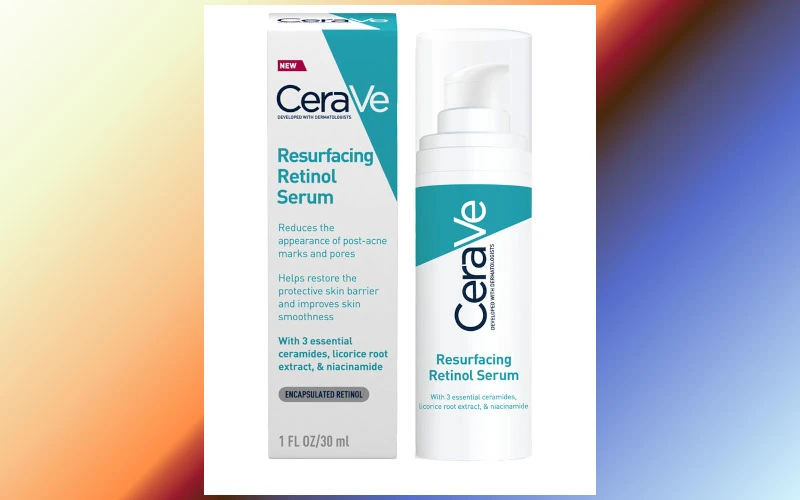
Red Light vs. Retinol: Retinol is a very famous cream for wrinkles. It works well, but it can be very strong. It often makes skin red, itchy, or dry at first. Red light therapy is different. It is very gentle and does not hurt the surface of your skin. It works with your body’s natural healing power instead of using chemicals.
Comparing the Big Treatments: Here is a deeper look at how red light therapy compares to other things you might find at a skin doctor’s office:
- Microdermabrasion: This is like a “scrub” for your face. It fixes the texture of your skin right away, but doesn’t help with deep collagen as much as red light does.
- Chemical Peels: These use chemicals to take off old skin. They work well for spots but can have “downtime,” which means your face might look red for a few days. Red light has zero downtime.
- Microneedling: This uses tiny needles to “poke” the skin to make collagen. It works well but can be painful. Red light is often used after microneedling to help the skin heal faster.
- Botox and Fillers: These are injections. Botox stops muscles from moving to hide wrinkles, and fillers add “volume”. Red light does not add volume; it helps your own skin grow better on its own.
I
Getting Red Light Therapy: At the Doctor’s or at Home?

One of the biggest questions people ask is whether they should buy a device for their house or go to a professional.
Professional Treatments When you go to a dermatologist (a skin doctor), they use very strong lights. These professional machines can often give you faster results because the light is more powerful. However, they are also more expensive. One session can cost between $50 and $150. You might need many sessions to see a big change.
Home Devices You can buy a red light device to use at home for $50 to $500. These are great because you only pay once. However, the lights are usually weaker than the ones doctors use. This means you have to be very patient and use the device every single week to see results.
The Verdict: If you have deep wrinkles or want fast results, a doctor is best. If you want a gentle way to keep your skin healthy over a long time, a home device is a smart choice.
The “Donna Protocol”: How to Get the Best Results
If you want red light therapy to work, you have to use it correctly. You can’t just use it once and expect magic. Think of it like watering a plant—consistency is the secret.
Step 1: Clean Your Canvas – Always wash your face gently before you start. You want the light to hit your skin directly without any dirt or thick makeup in the way.
Step 2: Use “Helper” Ingredients – You can make red light therapy work even better by using the right creams. We call these “antioxidants”.
- Vitamin C and E: These protect your skin and help the light do its job.
- Hyaluronic Acid: This helps keep your skin moist and “plump”.
- Peptides: These are like “extra messages” telling your skin to make collagen.
Step 3: The Light Session – Most experts suggest using the light for 10 to 20 minutes. You should do this 2 or 3 times a week to start. Some people even like to use it for a little bit every day.
Step 4: Protect Your Progress – The sun is the #1 cause of old-looking skin. Always wear sunscreen during the day. If you use red light to fix your skin but then let the sun damage it, you won’t see much improvement.
What Should You Really Expect?
It is important to have expectations. Red light therapy is not a magic wand.
The Timeline
- 1 Month: You might notice your skin feels a bit smoother or looks “brighter”.
- 2 Months: Fine lines (the tiny wrinkles) might start to look less deep.
- 3 Months: This is when the clinical studies show the biggest changes in firmness and pore size.
What It Can and Can’t Do Red light is excellent for fine lines like the ones around your eyes (crow’s feet) or the small lines on your forehead. It can also help your jawline look a little tighter.
However, if you have very deep wrinkles or very loose, sagging skin, red light might not be enough on its own. In those cases, a skin doctor might suggest using red light along with other treatments like lasers or peels.
Is It Right for You?
Before you start, here is a quick checklist to help you decide:
- Talk to a Doctor: If you have very sensitive skin or dark spots, ask a dermatologist first.
- Check for Safety: If you buy a home device, make sure it is “cleared for safety” by experts.
- Are You Patient? If you want wrinkles gone tomorrow, this isn’t for you. If you can wait 3 months, it is a great choice.
- Do You Have a Routine? Red light works best when you already use sunscreen and wash your face every day.
A Note on Other Benefits: Some people who use red light for their skin find other happy surprises. Some say their hair grows better, or that small cuts and scrapes heal much faster. This is because the extra “cell energy” helps the body fix many different things, not just wrinkles.
Takeaway: Is Red Light Therapy Right for You?
So, what’s the final word on using red light therapy for anti-aging? It looks like it can be a helpful and gentle way to deal with some of the signs of aging. It might make your fine lines and wrinkles less noticeable, and it can help your skin feel smoother and look more even in color by fading age spots. But it might not be the best option for really deep wrinkles or if your skin is very loose. Remember, the changes you see will probably be small to medium, and it takes time and regular use to get those results.
When you think about whether to get red light therapy at a doctor’s office or to use a device at home, there are a few things to consider. The devices you use at home might cost less at first, but they might not be as strong. Professional treatments cost more each time, but they might give you better and more reliable results because the lights are stronger and the experts know how to use them. Red light therapy is nice because it doesn’t hurt, and you don’t need much downtime. However, it’s important to know that the results might not be dramatic, and you’ll probably need to keep using it to keep seeing the benefits.
If you’re looking for a gentle way to improve fine lines and the feel of your skin without a lot of fuss, red light therapy might be worth trying. It’s always a good idea to talk to a skin doctor first. They can help you decide if it’s the right choice for your skin and tell you what to really expect. Using red light therapy as part of a good skincare routine that includes sunscreen and other helpful creams might give you even better results. If you have more serious signs of aging, red light therapy might work best when you use it along with other stronger treatments that your doctor recommends.
If you’re interested in trying red light therapy for anti-aging, here’s what you should do next:
- Talk to a skin doctor (dermatologist): They can look at your skin and tell you if red light therapy is a good option for you.
- Thinking about using a device at home?: Do some research to find devices that have been cleared for safety. Just remember that being safe doesn’t always mean it will work great.
- Follow the directions: Whether you’re using a home device or getting professional treatments, make sure you know how often and for how long you need to do it.
- Be patient: Remember that it takes time to see results, so don’t get discouraged if you don’t see big changes right away.
- Use it with other good skin care habits: Keep using sunscreen and other products that help your skin stay healthy.
By taking these steps, you can make a smart choice about whether red light therapy is the right way for you to work toward younger-looking skin!
What to Really Expect from Red Light Therapy (Video)
Sources:
- Red Light Therapy for Wrinkles?
https://www.aarp.org/health/healthy-living/red-light-therapy-for-wrinkles/ - Is red light therapy right for your skin?
https://www.aad.org/public/cosmetic/safety/red-light-therapy - Reverse skin aging signs by red light photobiomodulation
https://pmc.ncbi.nlm.nih.gov/articles/PMC10311288/ - Photobiomodulation: The Clinical Applications of Low-Level Light Therapy
https://pubmed.ncbi.nlm.nih.gov/33471046/ - Red Light Therapy: What Is It?
https://www.webmd.com/skin-problems-and-treatments/red-light-therapy - Red Light vs. Infrared vs. Near-Infrared: Clearing Up the Confusion
https://platinumtherapylights.ca/blogs/news/red-vs-infrared-and-nir-light-therapy - Red Light Wavelengths: How They Affect Red Light Therapy
https://huelightusa.com/red-light-wavelengths/ - Bountiful Benefits of Red Light Therapy: Anti-Aging, Heart Health, Sleep and More
https://www.cnet.com/health/bountiful-benefits-of-red-light-therapy-anti-aging-heart-health-sleep-and-more/ - Red Light Therapy
https://my.clevelandclinic.org/health/articles/22114-red-light-therapy - LED Light Therapy for Skin Health: A Comprehensive Guide
https://naturalimageskincenter.com/led-light-therapy-for-skin-health/ - Light Therapy for Older People with Depressive Symptoms: Systematic Review and Meta-Analysis
https://www.mdpi.com/2077-0383/13/22/6982 - Methodological issues in visible LED therapy dermatological research and reporting
https://www.medrxiv.org/content/10.1101/2024.09.12.24313560v1.full - Red Light Therapy vs. Professional Skin Treatments
https://arsenaultaesthetics.com/skin-care/red-light-therapy-vs-professional-skin-treatments/ - Red Light Therapy Statistics and Trends 2024
https://vitality-pro.com/biohacking/red-light-therapy/statistics-trends-rlt/

Meet Donna: Founder & Lead Curator
Hi, I’m Donna, the voice and vision behind Aesthetic Thrive.
As a professional digital content creator and wellness strategist, I founded this platform to simplify the journey toward a more beautiful, balanced life. My background is rooted in a deep passion for fashion, intentional living, and holistic health. For years, I have dedicated my career to researching how the environments we build both within our bodies and in our homes directly affect our daily confidence and long-term well-being. Read More!
Trust in your purchase:
Every product featured on our site has been carefully researched and selected based on quality, customer ratings, and positive reviews to ensure you receive excellent value for your money.
Please note:
This post contains affiliate links. If you make a purchase through these links, we may earn a small commission at no additional cost to you. This helps support our site and allows us to continue bringing you valuable content. Thank you!
Thank you for your precious time spent with AestheticThrive.