Mastering the Art of Skincare Layering: A Comprehensive Guide to Healthier Skin
In clinical practice in advanced dermatology, we frequently encounter patients with extensive cosmeceutical regimens yet experience suboptimal physiological outcomes. This discrepancy is rarely a failure of the topical formulations themselves; rather, it is a failure of strategic sequencing. The order of skincare application is a precise biological mandate, dictated by the skin’s inherent permeability and the chemical architecture of the products involved.
Layering serves as the primary mechanism for managing the skin’s biological barriers. If a routine is executed without considering molecular interactions, the most expensive active ingredients often remain sequestered atop an occlusive layer, leading to diminished therapeutic efficacy and unnecessary financial expenditure.
The efficacy of any high-performance routine hinges on one fundamental scientific law: the molecular weight and consistency of the formulation.
- Deciphering the "Golden Rule": Molecular Weight and Absorption
- Step-by-Step Clinical Protocol: From Preparation to Protection
- Advanced Ingredient Synergy: Navigating Active Combinations
- Personalized Decision-Making: Tailoring the Routine by Skin Type
- Troubleshooting the Routine: Avoiding Pilling and Irritation
- Conclusion: The Long-Term Impact of Methodical Skincare
- Expanded Clinical FAQ
- Meet Donna: Founder & Lead Curator
Deciphering the “Golden Rule”: Molecular Weight and Absorption
To optimize penetration of active ingredients, clinicians follow the “Golden Rule”: sequence topicals from thinnest to thickest consistency. This rule is based on the 500 Dalton Rule for skin penetration. In dermatological science, only molecules with a molecular weight under 500 Daltons can effectively permeate the stratum corneum—the skin’s outermost layer—without the aid of specialized delivery systems.
Lightweight formulations, such as aqueous toners and water-based serums, typically contain these smaller molecules designed for rapid absorption into the deeper epidermal layers. Conversely, richer emulsions, such as moisturizers and lipid-rich creams, have higher molecular weights and larger molecular structures. These are formulated to reside primarily on the surface to provide a protective barrier.
If a practitioner applies a heavy lipid (oil) or a high-viscosity moisturizer before an aqueous serum, they inadvertently create occlusion. Occlusion is the physical process of sealing the skin with a moisture-impermeable film. When this occurs too early in the routine, the smaller molecules of the subsequent treatment are physically blocked. These actives then sit atop the occlusive film, where they eventually evaporate or undergo oxidative degradation without ever reaching their cellular targets.
Incorrect layering is not merely a logistical error; it is a clinical failure that often manifests as “pilling”—the physical rolling of product into debris—and increased risk of contact dermatitis due to ingredient entrapment and pH instability. Implementing this rule requires a disciplined, 7-step clinical protocol designed to respect the skin’s absorption limits.
Step-by-Step Clinical Protocol: From Preparation to Protection
Each step in this protocol is a prerequisite for the next phase, ensuring the skin is physiologically primed for treatment.
1. Cleansing
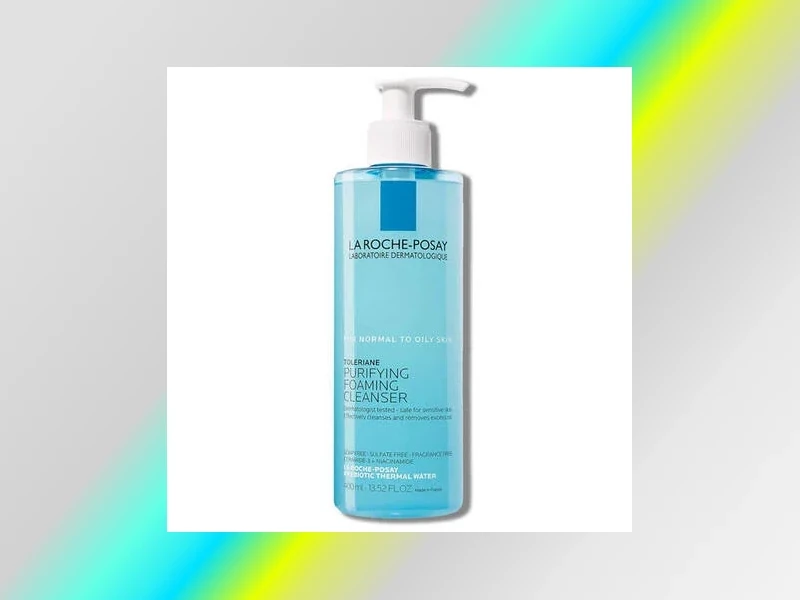
Action: Utilize a surfactant-appropriate cleanser matched to the patient’s lipid profile, massaging for at least 60 seconds.
Science of Why: Cleansing removes exogenous pollutants, sebum, and debris that act as physical barriers to absorption.
The 60-second rule is critical because it gives surfactants sufficient time to emulsify oils and break down debris without overstripping the skin’s natural lipid mantle. Professional
Pro-Tip: Use lukewarm water (30–35°C). Water that is too hot can cause immediate disruption of the lipid barrier, while cold water prevents effective emulsification of heavier sebum.
2. Toning
Action: Apply a pH-balancing toner to stabilize the skin’s acid mantle following water exposure.
Science of Why: Modern cleansing, even with pH-balanced products, can temporarily shift the skin’s surface pH. Toners act as a chemical bridge, restoring the skin to its optimal acidic state (pH 4.5–5.5), the environment in which subsequent enzymes and actives function most effectively.
Professional Pro-Tip: Apply toners while the skin is still slightly damp. This increases the skin’s permeability through hydration, allowing for enhanced uptake of the next layer.
3. Treatments & Serums
Action: Deploy concentrated serums containing specific delivery systems (e.g., liposomes or encapsulated molecules).
Science of Why: These are the primary “workhorses.” Encapsulation technology allows volatile actives, such as pure L-ascorbic acid or retinol, to bypass the stratum corneum barrier before releasing their payload.
Professional Pro-Tip: When layering multiple serums, monitor the “slip and grip.” If the skin feels excessively slippery for more than 90 seconds, the concentration of humectants may be too high, preventing proper “grip” and absorption of the next layer.
4. Eye Care
Action: Percuss a specialized ophthalmic-grade cream around the orbital bone using the ring finger.
Science of Why: The periorbital skin is 40% thinner than the rest of the face and lacks a robust sebaceous gland network. Standard facial moisturizers often contain concentrations of actives or fragrances that can migrate into the eye or cause irritation in this thinner tissue.
Professional Pro-Tip: Store your eye treatment in a professional-grade skincare refrigerator. Cold temperatures induce localized vasoconstriction, which helps reduce periorbital edema (puffiness).
5. Moisturizing
Action: Apply an emollient or humectant-rich cream to the face and neck.
Science of Why: While serums provide targeted repair, moisturizers focus on barrier maintenance. They utilize emollients to fill the gaps between desquamating skin cells and humectants to bind water in the epidermis, preventing Trans-Epidermal Water Loss (TEWL).
Professional Pro-Tip: Apply using an upward, “lifting” motion to encourage lymphatic drainage and ensure even distribution into the fine lines of the neck and décolletage.
6. Facial Oils
Action: Press a few drops of a non-comedogenic botanical or synthetic lipid over the moisturizer.
Science of Why: Oils are purely occlusive or emollient; they do not contain water and cannot hydrate. Their role is to act as a “sealant” for the water-based layers beneath.
Professional Pro-Tip: If the skin is oily or acne-prone, utilize oils with a high linoleic acid content (such as grapeseed), which can help balance the oleic acid-heavy sebum common in acneic patients.
7. Sun Protection (SPF)
Action: Apply a broad-spectrum SPF 30+ as the final morning step.
Science of Why: UV radiation is the primary driver of extrinsic aging and DNA damage. SPF molecules must reside on the very surface of the skin to reflect (physical) or absorb and dissipate (chemical) UV energy.
Professional Pro-Tip: SPF is the only step that should not be “massaged” deeply into the skin; it should be applied as a uniform film to ensure a consistent protective shield.
Clinical Routine Summary Table
| Step | Purpose | Consistency | Key Ingredient Examples |
| 1. Cleanser | Emulsifies debris & sebum | Liquid, Gel, or Cream | Ceramides, Salicylic Acid |
| 2. Toner | Acid Mantle stabilization | Aqueous (Water-like) | Witch Hazel, Rose Water |
| 3. Treatments | Target cellular concerns | Low-viscosity Liquid/Gel | Vitamin C, Niacinamide |
| 4. Eye Care | Protects periorbital tissue | Lightweight Emulsion | Peptides, Caffeine |
| 5. Moisturizer | Reinforces lipid barrier | Rich Cream or Lotion | Hyaluronic Acid, Glycerin |
| 6. Facial Oils | Occlusive nourishment | Lipid/Oil | Squalane, Rosehip Oil |
| 7. Sunscreen | UV reflection & absorption | Cream, Spray, or Mineral | Zinc Oxide, Avobenzone |
Advanced Ingredient Synergy: Navigating Active Combinations
Efficacy in clinical skincare is often a matter of “active synergy”—understanding how chemical environments influence results.
- Retinol: This vitamin A derivative is the gold standard for anti-aging, but is notoriously unstable. I recommend starting at a concentration of 0.25% to 0.5% for new patients. It is strictly nocturnal because UV light degrades its structure.
- Vitamin C (L-Ascorbic Acid): This potent antioxidant works best at 15% for maximum brightening. Strategic morning application is vital, as it works synergistically with SPF to neutralize free radicals generated by UV exposure.
- Hyaluronic Acid: This humectant is “hygroscopic,” meaning it pulls moisture from its environment. It must be applied to damp skin. In arid climates, applying it to dry skin can increase TEWL because the molecule pulls moisture from the deeper dermis.
- AHAs and BHAs (Exfoliating Acids): To be effective, Alpha- and Beta-Hydroxy acids (such as glycolic or Salicylic acid) require an acidic environment, typically a pH of 3.0 to 4.0. If applied immediately after an alkaline cleanser without a toner, their efficacy is significantly neutralized.
For professional compatibility checks and high-quality cosmeceutical options, practitioners often reference Skincare.com and Ulta Beauty for their extensive ingredient databases and formulated solutions.
Personalized Decision-Making: Tailoring the Routine by Skin Type
A “standard” routine is a starting point, but a clinical-grade regimen must be customized based on individual biology.
The Customization Decision-Tree
- Oily and Acne-Prone Skin
- Focus: Regulating hyper-seborrhea while maintaining the acid mantle.
- Strategy: Prioritize BHA (Salicylic acid) treatments and oil-free, gel-based moisturizers.
- Adjustment: Eliminate heavy facial oils; replace with high-purity Squalane if extra nourishment is required.
- Dry and Mature Skin
- Focus: Restoring the lipid barrier and mitigating TEWL.
- Strategy: Utilize rich, ceramide-heavy creams and incorporate 15% Vitamin C for collagen support.
- Adjustment: Double-layer hydration by applying a humectant serum (Hyaluronic Acid) under a lipid-rich facial oil.
- Sensitive and Rosacea-Prone Skin
- Focus: Strengthening the barrier without triggering inflammatory responses.
- Strategy: Opt for fragrance-free, hypoallergenic formulations and “buffer” actives.
- Adjustment: Buffer Retinol by applying it after moisturizer to slow penetration and reduce localized redness.
Evidence of Work: The Clinical Patch Testing & TEWL Protocol: Before clinical integration, I advise patients to perform a 48-hour patch test on the back of the ear. In a clinical setting, we evaluate work through TEWL (Trans-Epidermal Water Loss) monitoring. You can replicate this at home by observing the “slip” of your skin 30 minutes after your routine. If the skin feels dry or tight, the occlusive layer is failing to prevent water loss, indicating a need for a richer emollient.
Troubleshooting the Routine: Avoiding Pilling and Irritation
The most common technical failure in layering is pilling. While often attributed to speed, pilling is frequently a result of chemical clashing.
The Skincare “Fix-It” List
- Chemical Incompatibility (Silicone vs. Water): This is the leading cause of pilling. If you apply a silicone-based primer or moisturizer (look for “-dimethicone” on the label) over a highly aqueous serum without allowing the water to fully evaporate, the two textures will repel each other, causing the product to ball up.
- Fix: Ensure all water-based serums are completely absorbed (skin feels tacky, not wet) before applying silicone-heavy layers.
- Over-Saturation: The skin has a finite absorption capacity. Using more than a pea-sized amount of a high-concentration treatment leads to surface accumulation.
- Fix: Adhere to the “thin film” principle—if you can see the product on your skin after two minutes, you have over-applied.
- pH Shock: Applying a high-pH product immediately after a low-pH acid treatment can cause “flushing” or stinging.
- Fix: Wait 15 minutes after applying AHAs or BHAs before moving to the next step to allow the skin’s natural pH to stabilize.
- SPF Degradation: Applying oils over SPF can dissolve the protective film.
- Fix: Sunscreen must always be the final step; nothing but makeup should be layered over it.
Conclusion: The Long-Term Impact of Methodical Skincare
The cumulative effect of methodical skincare layering is a measurable improvement in skin radiance, barrier integrity, and the mitigation of cellular aging. Consistency is the primary driver of transformation. While a single application provides immediate hydration, the structural remodeling of the skin—such as collagen synthesis triggered by Retinol—requires a disciplined approach over a minimum of 12 to 24 weeks.
As a Senior Dermatological Consultant, I must emphasize that this protocol is a professional framework and does not replace the necessity of a board-certified dermatological review for chronic conditions such as cystic acne or suspicious lesions.
Expanded Clinical FAQ
By following these tips and guidelines, you can confidently layer your skincare products for optimal results and achieve a healthy, radiant complexion.
- How to Layer Skin Care Products | Skincare.com | Skincare.com
- How to Layer Skin Care Products in the Right Order | Ulta Beauty
- How to Layer Skincare Products? If You Want the Best Results, This Is the Exact Order! | FOREO
- 2020ENDOCARE_Zoe-Draelos_Skin-Health-Beauty-Pyramid_Paper_EN.pdf (uniderma.info)
- The first layer: design for a holistic skincare (polimi.it)
- Best practices, new perspectives, and the perfect emollient: optimizing the management of contact dermatitis: Journal of Dermatological Treatment: Vol 29, No 3 (tandfonline.com)

Meet Donna: Founder & Lead Curator
Hi, I’m Donna, the voice and vision behind Aesthetic Thrive.
As a professional digital content creator and wellness strategist, I founded this platform to simplify the journey toward a more beautiful, balanced life. My background is rooted in a deep passion for fashion, intentional living, and holistic health. For years, I have dedicated my career to researching how the environments we build both within our bodies and in our homes directly affect our daily confidence and long-term well-being. Read More!