Skincare Routines for Fine Lines and Wrinkles: A Top Guide

When you look in the mirror, you might notice tiny lines around your eyes or mouth that were not there before. These are often called “smile lines” or “wisdom lines.” In the clinical world, we call them fine lines and wrinkles. Seeing these changes can feel a bit scary, but it is a natural part of growing up. Your skin is a living organ, just like your heart or lungs. It changes as you get older, but it also responds very well to the right kind of care.
To keep your skin looking its best, you need a smart plan. This plan is called Skincare for Fine Lines and Wrinkles. Many people wait until they see deep lines before they start a routine. But as a senior consultant, I want to tell you a secret: it is much better to be proactive than reactive.
Think of your skin like a brand-new mattress. When the mattress is new, the springs inside are strong and bouncy. These springs are like your collagen. Over time, those springs can start to snap or get weak. If you take care of the mattress and don’t jump on it too hard, the springs stay strong for a long time.
Once the springs are broken, it is very hard to sew them back together to make the bed flat again. Skincare works the same way. It is easier to keep your “skin springs” strong today than it is to try and fix deep “sags” ten years from now.
To fix a problem, we must first understand what causes it. Let’s look at the biological reasons why our skin changes.
- The Root Causes: Why Our Skin Changes Over Time
- The Gold Standard: Essential Ingredients That Work
- Routine 1: Intense Hydration for Dry Skin
- Routine 2: Balancing and Refining for Oily Skin
- Routine 3: Gentle Care for Sensitive Skin
- Beyond the Bottle: Lifestyle Habits for Youthful Skin
- Fact vs. Fiction: Debunking Common Skincare Myths
- Conclusion: Consistency is Your Greatest Asset
- Meet Donna: Founder & Lead Curator
The Root Causes: Why Our Skin Changes Over Time
Your skin stays firm because of two very important things: collagen and elastin. I like to call collagen the “skin’s glue.” It is the frame of the house that keeps everything standing straight. Elastin is like a rubber band. It allows your skin to stretch when you laugh and snap back into place when you stop.
As we get older, our bodies make less of this “glue.” Our “rubber bands” also start to lose their stretch. This is a natural part of life, but outside forces can make it happen much faster. Scientists call this “oxidative stress.”
Imagine your skin cells are like a castle. Environmental “bad guys” like pollution and sun rays are like tiny biological bullets. When these bullets hit the castle walls, they cause damage. This damage makes the collagen break down too soon.
Here are the five primary reasons why fine lines and wrinkles appear:
- Natural Aging: As the years go by, our skin makes less oil and less collagen. This makes the skin thinner and drier.
- Sun Exposure: UV rays from the sun are the biggest enemy of smooth skin. They act like tiny hammers that chip away at your collagen and elastin every single day.
- Environmental Factors: Pollution and smoke create “free radicals.” Think of these as unstable molecules that bounce around and damage your healthy skin cells.
- Facial Expressions: Every time you smile, squint, or frown, your skin folds. When you are young, the skin snaps back. But over time, those folds can turn into permanent lines.
- Lifestyle Choices: Not drinking enough water, eating too much sugar, and feeling very stressed can all show up on your face.
While these causes are natural, we have “hero” ingredients that can act as both a shield to catch those biological bullets and a repair kit to fix the damage.
The Gold Standard: Essential Ingredients That Work

In the skincare world, some ingredients are much more powerful than others. To see real results, you need ingredients that are “clinically proven.” This means scientists have tested them in labs to make sure they actually work.
One thing you must understand is “concentration.” This is how strong a product is. For example, you might see Retinol in 0.25% or 1.0%. Think of 0.25% as a slow, easy walk. It is great for beginners. Think of 1.0% as a full-speed sprint. If you try to sprint before you know how to walk, you might fall and get hurt.
When you start using strong ingredients, you might go through a “purge.” This is a short time—usually lasting 2 to 4 weeks—where your skin might look a little worse. You might see small breakouts or redness. But here is an expert tip: a “purge” usually happens in the same places where you normally get pimples. If you start seeing bumps in brand-new spots, your skin might be having a bad reaction to the product instead.
| Ingredient | Primary Function | Pro Tip for Use |
| Retinoids | Boosts collagen and speeds up how fast new skin grows. | Always use at night. Sunlight breaks down the medicine in retinoids, making them useless if you wear them during the day. |
| Peptides | Acts as the “building blocks” (amino acids) to tell skin to grow. | These work best when combined with a moisturizer to help “plump” the skin from the inside out. |
| Hyaluronic Acid | A “hydration hero” that holds 1,000 times its weight in water. | Apply to damp skin. If your skin is dry, this ingredient might actually pull water out of your skin. Damp skin keeps the water trapped inside. |
| Antioxidants | Acts like a shield that catches “biological bullets” from pollution. | Use Vitamin C every morning. It helps your sunscreen work even better to protect you from the sun. |

Routine 1: Intense Hydration for Dry Skin
Dry skin is very prone to showing wrinkles. Think of the difference between a grape and a raisin. A grape is full of water and has very smooth skin. A raisin is dry and has many deep folds. When your skin is dry, it loses its “plumpness.” This makes every tiny line look much deeper than it really is.
For dry skin, we need rich “emollients.” These are thick, cushiony ingredients that seal water into the skin.
The Methodology: We will use a “moisture sandwich.” This means we put hydrating products on wet skin and then cover them with a thick cream to lock everything in.
Step-by-Step Routine:
- Morning Cleanse: Use a creamy, non-foaming cleanser. You want to keep your natural oils.
- The Base: While your face is still wet, apply a Hyaluronic Acid serum.
- The Builder: Apply the COSRX 6X Peptide serum. When you touch this, you will notice it feels very light, almost like water. It sinks in quickly to start the repair work.
- The Seal: Apply a thick layer of CeraVe Moisturizing Cream. This cream has a very thick, cushiony texture. It contains ceramides, which act like the “bricks” to rebuild your skin’s protective wall.
- The Shield: Finish with an SPF 30 sunscreen.
Consultant’s Note: Do not skip your moisturizer in the evening! Dry skin does most of its repair work at night. If you leave it “naked” while you sleep, it will lose water to the air and look more wrinkled in the morning.
Routine 2: Balancing and Refining for Oily Skin
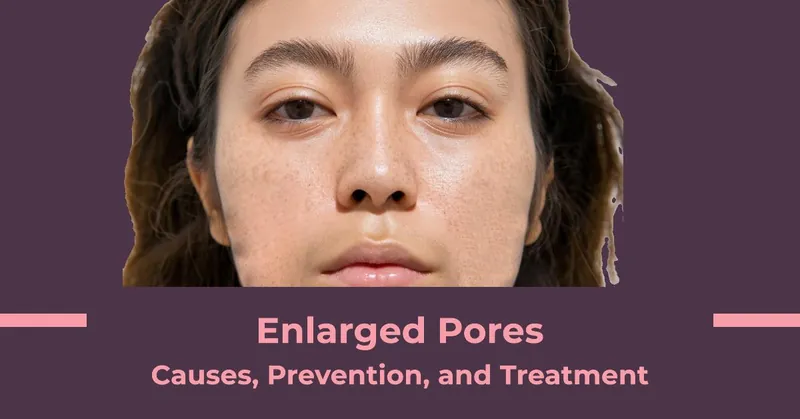
Oily skin has a secret advantage. The extra oil (called sebum) helps keep the skin lubricated. This can actually delay wrinkles! But the challenge is that oily skin can have large pores and can feel greasy if you use the wrong products. We need to deliver anti-aging ingredients in a “weightless” way.
AM Steps:
- Foaming Cleanser: Use a gentle foam to wash away the oil that built up while you slept.
- Niacinamide Serum: This is a superstar for oily skin. It helps your skin stop making too much oil and makes your pores look smaller and tighter.
- Lightweight Moisture: Use an oil-free, water-based moisturizer.
- Matte Sunscreen: Choose a sunscreen that does not feel shiny.
PM Steps:
- Cleanse: Wash away the dirt from the day.
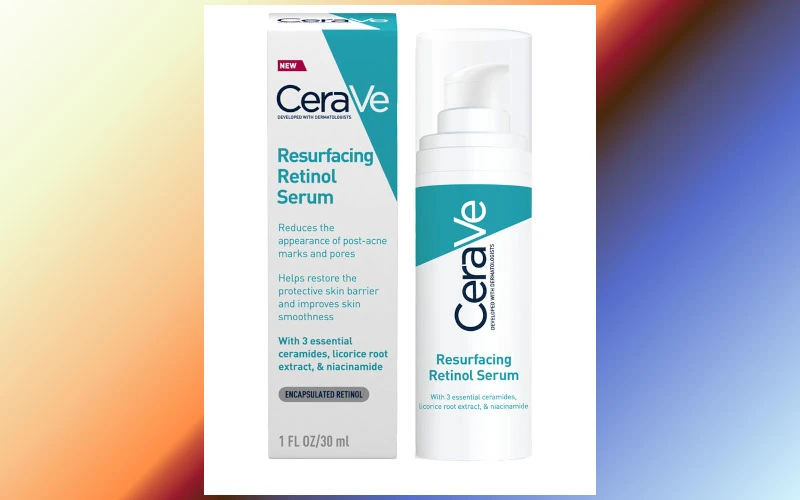
- Retinoid Treatment: Retinoids are great for oily skin because they keep your pores clear while also firming up your skin.
- Light Hydration: Finish with a thin layer of moisturizer.
Consultant’s Note: Many people with oily skin think they should skip moisturizer to “dry out” the oil. This is a mistake! If your skin gets too dry, it will panic. It will then make more oil to fix the dryness. Always use a light moisturizer to keep your skin calm.
Routine 3: Gentle Care for Sensitive Skin
If your skin turns red easily or stings when you try new things, you have sensitive skin. For you, the most important goal is protecting your “skin barrier.” This is the outer layer of your skin that keeps the “good stuff” in and the “bad stuff” out. When this barrier is weak, your skin gets angry, and fine lines look much worse.
For sensitive skin, we use a “slow and steady” approach. We focus on soothing ingredients like green tea.
Safety First: Always “patch test” a new product. Put a tiny bit on your inner arm or behind your ear. Wait 24 hours. If your skin does not get red or itchy, it is safe to put on your face.
The Routine:
- Fragrance-Free Cleansing: Use a soap-free cleanser. Scents and perfumes are the most common things that make sensitive skin get red.
- Soothing Serum: Use a serum with green tea or Hyaluronic Acid to calm the skin down.
- Barrier Repair: Use a moisturizer with peptides and ceramides. This helps “glue” your skin barrier back together.
- Gentle Retinoid Use: If you want to use a retinoid, start with a very low strength. Use it only two nights a week at first. This gives your skin time to get used to it without getting upset.
Consultant’s Note: If your skin ever starts to peel or sting, stop your “active” products for three days. Just use cleanser and moisturizer until your skin feels happy again.
Beyond the Bottle: Lifestyle Habits for Youthful Skin
No matter how much you spend on creams, they cannot do all the work alone. Your skin is a reflection of how you treat your whole body.

- The Science of Sleep: Did you know your body does almost all its repair work between 10 PM and 2 AM? During this time, your body releases growth hormones. Think of these as your body’s “tiny construction workers.” They go around fixing the collagen that was damaged during the day. If you don’t sleep, the workers never show up!
- The Magic of Silk: Traditional cotton pillowcases can be rough. They create “friction,” which is like a tiny tug-of-war on your face. This can cause “sleep lines.” A silk pillowcase allows your face to glide across the surface. This prevents those temporary folds from becoming permanent wrinkles.
- Sun Protection Every Day: You must wear sunscreen with at least SPF 30 every single day. UV rays can go through clouds and even through glass windows while you are driving. Sunscreen is the best anti-aging product in the world.
- Eat Your Antioxidants: Eat berries, spinach, and tomatoes. These foods are full of the same antioxidants we put in serums. They help your body fight those “biological bullets” from the inside.
- Avoid Excess Sugar: Too much sugar can actually cause a process that breaks down collagen. Try to swap sugary snacks for healthy fats like avocados or nuts.
For more medical details on how wrinkles form, you can visit the Mayo Clinic or read more at Medical News Today.
Fact vs. Fiction: Debunking Common Skincare Myths
There is a lot of confusing talk about skincare. Let’s look at the truth.
Myth: I don’t need sunscreen if it is cloudy. Fact: Clouds do not block the UV rays that cause wrinkles. You need protection every day of the year.
Myth: Expensive products are always better. Fact: The price of the bottle does not tell you how well it works. Many affordable brands, like CeraVe, use the exact same “gold standard” ingredients as brands that cost hundreds of dollars. It is the science inside that matters, not the fancy box.
Myth: Wrinkles only start when you are “old.” Fact: Skin damage can start in your 20s. The lines you see in your 40s are often caused by the sun you got when you were 15! This is why proactive care is so important.
Myth: Natural ingredients are always safer than chemicals. Fact: Poison ivy is natural, but you wouldn’t put it on your face! Some “chemical” ingredients like Retinol are safer and more effective because we know exactly how they work in a lab.
Myth: You can’t prevent wrinkles because of your genes. Fact: While your family history matters, your habits matter more. About 80% of how your skin ages is caused by things you can control, like sun protection and sleep.
Fact vs. Fiction with Technical Evidence & Insights
| Myth | Fact | Technical Evidence & Insights |
|---|---|---|
| I don’t need sunscreen if it is cloudy. | Clouds do not block the UV rays that cause wrinkles; protection is required daily. | UV radiation damages the skin’s collagen and elastin fibers, which are the essential proteins that keep skin firm and smooth. High-quality protection requires a broad-spectrum sunscreen of at least SPF 30 to prevent this accelerated aging process. |
| Expensive products are always better. | The effectiveness of a skincare product depends on its active ingredients, not its price tag. | Scientific “gold standard” ingredients—such as retinoids, peptides, and antioxidants—can be found in both affordable and high-end formulations. For example, peptides serve as fundamental building blocks for proteins, while antioxidants like Vitamin C neutralize free radicals to protect skin fibers. |
| Wrinkles only start when you are “old.” | Skin damage and the loss of structural proteins can begin as early as your 20s. | Aging naturally reduces the skin’s ability to retain moisture and produce collagen, leading to dryness and the eventual formation of visible lines. Proactive routines using hyaluronic acid can help by plumping the skin, as this substance can hold up to 1,000 times its weight in water. |
| Natural ingredients are always safer than chemicals. | Safety and efficacy are determined by clinical research and known lab interactions. | Retinoids, which are derivatives of Vitamin A, are considered the “gold standard” in anti-aging because they are proven to stimulate collagen and accelerate cell turnover. High-quality guides suggest starting with lower concentrations to build skin tolerance and avoid irritation. |
| You can’t prevent wrinkles because of your genes. | While genetics matter, up to 80% of skin aging is influenced by controllable lifestyle habits. | A comprehensive approach—including consistent sun protection, adequate sleep for skin regeneration, and a diet rich in healthy fats and antioxidants—can significantly slow the appearance of wrinkles. Habits like using silk pillowcases can also proactively prevent the formation of sleep lines. |
Conclusion: Consistency is Your Greatest Asset
Caring for your skin is not a sprint; it is a marathon. You will not see your fine lines go away in one night. It takes time for those “tiny construction workers” to build new collagen and for your skin cells to grow. But if you are patient and follow your routine every morning and every night, you will see a difference.
As a senior consultant, I have seen that the most expensive cream in the world won’t work if it just sits on your shelf. The “best” routine is the one you actually do. Understand your skin type, choose the right concentrations, and be kind to yourself during the “purging” phase. Your skin has been with you since the day you were born. If you protect it and feed it the right ingredients, it will stay strong, radiant, and smooth for many years to come.
Consistency, protection, and the right ingredients are the foundations of youthful, radiant skin that lasts a lifetime.
can effectively reduce the appearance of fine lines and wrinkles and maintain youthful, radiant skin. Remember, consistency is key, and it’s never too early to start taking care of your skin.
- Wrinkles
https://www.mayoclinic.org/diseases-conditions/wrinkles/symptoms-causes/syc-20354927 - What to know about wrinkles
https://www.medicalnewstoday.com/articles/174852 - 11 Best Anti-Aging Ingredients That Are Clinically-Proven, According to Derms
https://www.byrdie.com/anti-aging-ingredients-biology - Best Ingredients and Products for Your Anti-Aging Skin Care Routine
https://health.clevelandclinic.org/anti-aging-skin-care - Expert Skin Care Routine for How to Care for Your Skin Type
https://www.dermaessentia.com/blogs/knowledge/skin-types

Meet Donna: Founder & Lead Curator
Hi, I’m Donna, the voice and vision behind Aesthetic Thrive.
As a professional digital content creator and wellness strategist, I founded this platform to simplify the journey toward a more beautiful, balanced life. My background is rooted in a deep passion for fashion, intentional living, and holistic health. For years, I have dedicated my career to researching how the environments we build both within our bodies and in our homes directly affect our daily confidence and long-term well-being. Read More!