A Guide to Blue Light Therapy for Clearer Skin
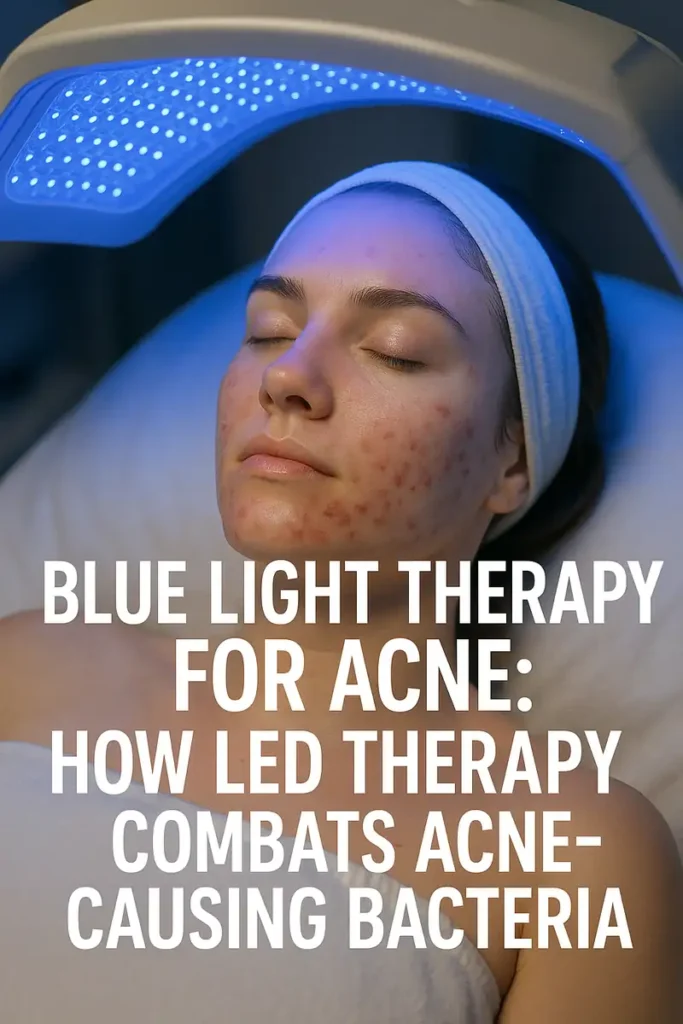
Blue light therapy for acne is a special way to treat skin using a gentle and safe type of light. Many people feel frustrated by pimples that will not go away, and they look for a different way to help their skin. This treatment uses light with very specific sizes of waves, usually between 415 and 460 nanometers. These tiny waves of light are powerful because they can find and stop the main cause of many breakouts.
It is a very different choice compared to using strong creams or pills that might make your skin dry or itchy. If you want to know how this energy can help your face stay clear without hurting your skin, this guide will explain everything in simple steps.
- This therapy is gaining popularity because it is very gentle on the skin.
- It targets the root cause of pimples, which are tiny germs living in your pores.
- It is non-invasive, meaning it does not hurt or break the skin.
- Most people find it much more comfortable than using harsh chemicals every day.
How Pimples Start Deep in Your Skin
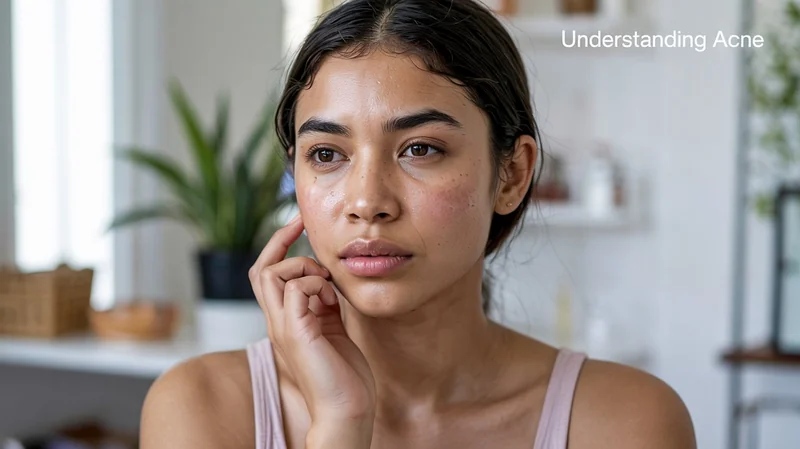
Acne starts much deeper than what you see in the mirror. It begins inside tiny holes in your skin called pores, which are also where your hair grows. Inside these holes, your skin makes a natural oil called sebum to keep things soft. Sometimes, your skin makes too much oil, and old skin cells get stuck inside the pore. This mix of oil and old skin creates a plug that blocks the hole. This blocked area is the perfect home for a type of germ called Propionibacterium acnes, or P. acnes for short.
- Your pores can get clogged by a mix of dead skin cells and natural oils.
- When a pore is blocked, the P. acnes germs start to grow and multiply very fast.
- This growth causes your body to react, which leads to swelling, redness, and pain.
- The signs you see, like red bumps or whiteheads, are the result of this process happening inside.
The Special Science of Blue Light
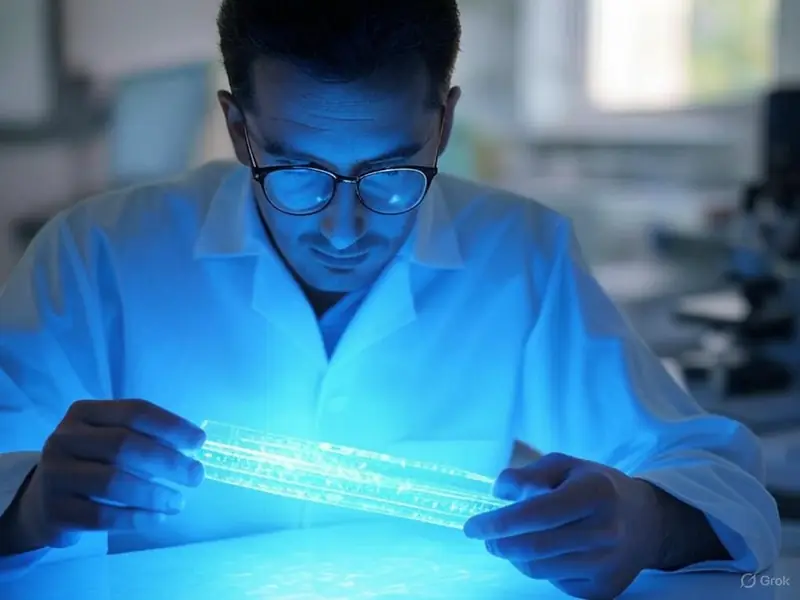
The way blue light works is very interesting because it uses a process called photodynamic action. Inside the P. acnes germs, there are tiny parts called porphyrins. You can think of these porphyrins as small targets that are very sensitive to blue light. When the blue light waves hit these targets, they absorb the energy. This energy triggers a chemical reaction inside the germ that produces reactive oxygen species. These are like tiny, microscopic tools that break the germ apart from the inside out, effectively stopping it from causing more trouble.
- Specific light waves, usually 400 to 470 nanometers, are used to find these germs.
- The germs produce porphyrins, which act like magnets for the blue light energy.
- When the light hits the porphyrin, it creates a special kind of oxygen that destroys the germ’s cell walls.
- This process has been compared to having millions of tiny superheroes fighting the bad germs on your face.
Why Blue Light is Safe for Your Face
One of the best things about using blue light is that it is very selective. This means the light energy only wants to talk to the germs and the tiny targets inside them. Human skin cells do not have these same targets in large amounts. Because of this, the blue light waves pass through your healthy skin without causing any harm. It is much gentler than some other treatments because it leaves the surrounding healthy skin alone. It is also much safer than the light from the sun because it does not have the UV waves that cause aging or skin damage.
- The light is selective, meaning it only attacks the bad germs.
- Your healthy skin cells are mostly untouched by the light during treatment.
- Unlike the sun, blue light does not cause DNA damage or make your skin age faster.
- It is a great choice for people with sensitive skin who cannot handle strong medicine.
Learning About Different Types of Acne
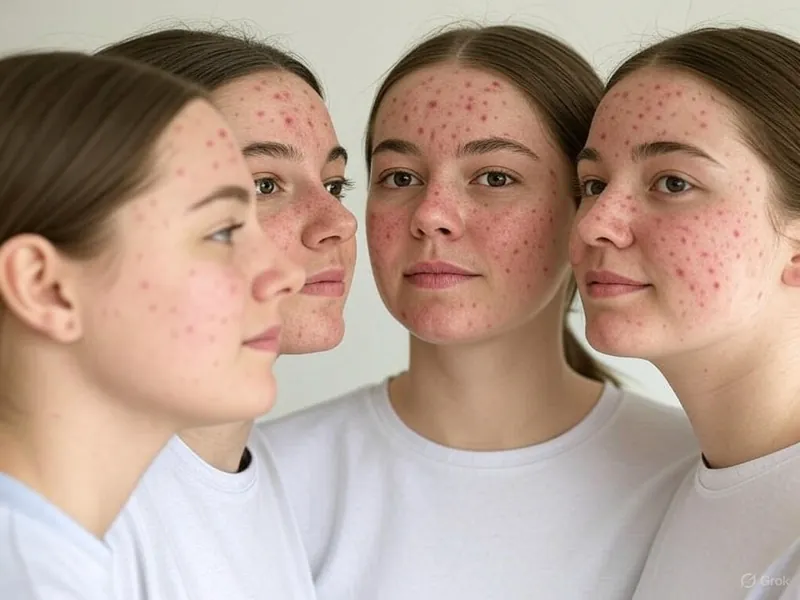
It is important to know that blue light therapy works best for certain kinds of skin problems. Doctors usually suggest it for people who have mild to moderate acne. This includes inflammatory acne, which looks like small red bumps or pimples that have a bit of white on top. These are often called papules and pustules. Studies show that this light is very good at making these red bumps go away. However, it may not be enough on its own for very deep, painful lumps called cysts.
- Mild acne usually has fewer than 20 whiteheads or blackheads.
- Moderate acne involves many red pimples and more noticeable swelling.
- Inflammatory acne is the type that responds best to the germ-killing power of blue light.
- Severe or cystic acne often needs a doctor’s help and more than just light therapy.
What Scientists Have Found in Their Studies
Many experts have tested blue light therapy to see if it really helps people. These researchers have done clinical trials, which are special tests with many people. In one study from 2009, people who used blue light twice a week for five weeks saw a big reduction in their pimples. Another study in 2011 showed that using a light device at home helped skin start to clear up much faster than doing nothing at all. One of the most exciting results was a study where people saw a 64% reduction in their acne after just a few weeks of self-treatment.
- The FDA has cleared blue light therapy as an effective way to treat acne.
- One study in 2004 showed that people had nearly 65% fewer pimples after eight sessions.
- In a Japanese study, 80% of the people saw their skin get better with no harmful effects.
- More than 90% of people in a 2011 study said their skin looked better overall after using the light.
- For more details, you can read the study at Clinical Efficacy of Self-applied Blue Light Therapy for Mild-to-Moderate Facial Acne.
How to Use Blue Light at Home
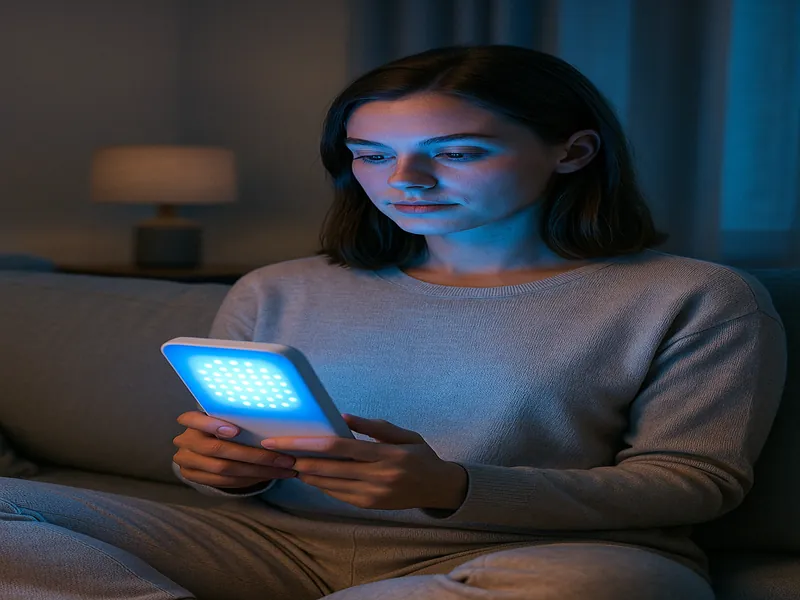
Many people like using blue light devices at home because it is easy and saves money. These devices come in different shapes, like face masks that you wear, wands that you hold, or small panels that sit on a table. While they are not quite as strong as the machines in a doctor’s office, they still work very well if you use them often. Most home devices suggest using the light once or twice every day for a few minutes. It is a simple way to take care of your skin while you are relaxing at home.
- At-home devices are a one-time investment that can save you money over time.
- You can choose from masks, wands, pens, or panels based on what you like.
- Consistency is the secret to seeing results with home devices.
- Check out the 9 Best LED Lights for Acne That Deliver Clear, Glowing Skin to see different options.
Professional Treatments in a Doctor’s Office
If your acne is more stubborn, you might want to visit a dermatologist for professional sessions. A dermatologist is a special skin doctor who can use much stronger light machines. These professional devices have a higher power output, which means they can sometimes get results in fewer visits. The doctor will watch the treatment to make sure everything is safe and may even combine the light with other treatments for your skin. While these sessions cost more money, they are a powerful way to tackle moderate to severe breakouts.
- In-office treatments use higher-powered light sources for stronger results.
- A skincare professional supervises each session to ensure safety and effectiveness.
- Sessions can cost between $60 and $200 each, and you usually need several.
- For a complete guide, visit the Cleveland Clinic page on LED Light Therapy.
Safety and Protecting Your Eyes
Blue light therapy is very safe, but there is one rule you must always follow: protect your eyes. The light used in these devices is very bright and intense. If you look directly at it, it can be harmful to the back part of your eyes, called the retina. Most good devices come with special goggles or have eye protection built in. You should never skip this step, because keeping your eyes safe is just as important as clearing your skin.
- Always wear the protective eye goggles that come with your device.
- Avoid looking directly at the light source while it is turned on.
- Only use devices that are “FDA cleared” or “FDA approved” to be sure they are safe.
- Start with very short treatment times to see how your skin feels at first.
Mixing Blue Light with Other Skin Products
Using blue light with other skin treatments can sometimes make your skin get clearer even faster. This is called a “synergistic effect,” which just means the two things work together like a great team. For example, using a face wash with salicylic acid helps keep your pores open so the light can reach the germs more easily. Using benzoyl peroxide can also help kill even more germs alongside the light. However, you should always check with a doctor before mixing them, especially if you are using very strong medicines from the pharmacy.
- Salicylic acid and blue light together are proven to get faster results.
- Benzoyl peroxide is safe to use with light therapy and helps fight germs from another angle.
- Retinoids can be used after your light session to help your skin cells stay healthy.
- You can learn more about this at How Red & Blue Light Therapy Treat Acne.
Understanding the Best Timing for Your Routine
To get the best results, you need to think about when you use your light and your creams. You should always start with a face that is very fresh, clean, and dry. Do not put on any lotions or serums before you use the light, because they might block the light waves from getting into your skin. After you finish your light session, then you can put on your regular moisturizers or acne creams. During the day, it is very important to wear sunscreen to protect your skin as it heals.
- Always clean and dry your face completely before starting your light therapy.
- Wait until after the light session is done to apply your favorite skincare products.
- Using a light moisturizer after treatment helps keep your skin from getting dry.
- Apply sunscreen every morning to protect your skin from the sun’s rays.
What to Expect for Results
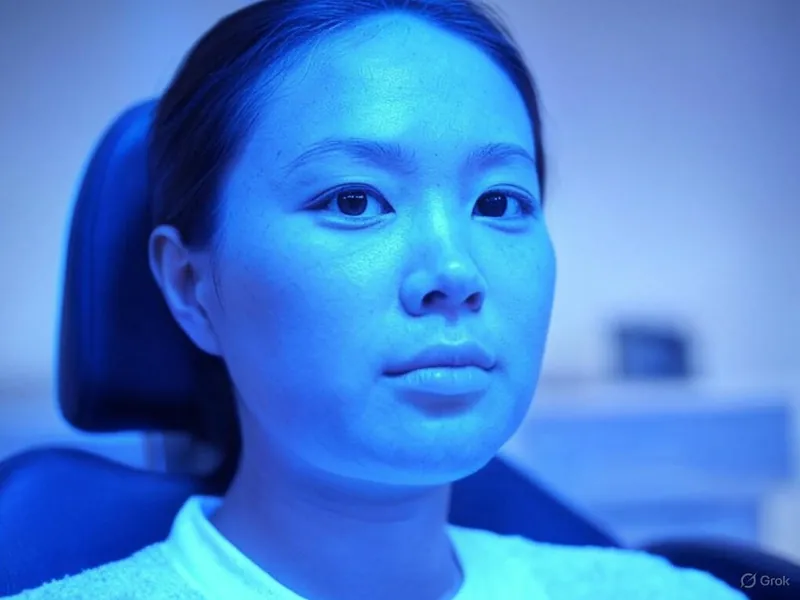
It is important to be patient because blue light therapy does not work overnight. Most people see their skin start to look better after a few weeks of consistent use. For the best results, it often takes about 12 weeks, which is three months of waiting. You might notice that your skin is less red and the number of bumps starts to go down slowly. Taking photos of your face every week is a great way to track how much your skin is improving over time.
- Significant improvement usually happens gradually rather than immediately.
- It can take between one and three months to see the full benefits of the treatment.
- Signs of success include fewer red bumps and smoother skin texture.
- Consistent use every day or every week is the key to keeping your skin clear.
When Blue Light Might Not Be the Best Choice
While blue light is great for many people, it is not for everyone. If you have very severe, deep cystic acne that leaves scars, blue light on its own might not be enough. In these cases, doctors often suggest stronger treatments like Accutane or laser therapy. Also, if you are taking certain medicines that make you very sensitive to light, you must be careful. For example, people taking Accutane should generally not do LED light therapy. Always talk to a skin doctor to make sure it is safe for you.
- Severe cystic acne usually requires a more comprehensive treatment plan from a doctor.
- Avoid light therapy if you are taking medicines that make you sensitive to light.
- People using Accutane should not use blue light therapy until they talk to their doctor.
- If your skin gets very irritated or uncomfortable, stop using the light and ask for help.
The Helpful Power of Red and Blue Together
Many devices today use both red light and blue light at the same time. While blue light is the expert at killing germs, red light is the expert at calming your skin down. Red light helps to reduce the red swelling and can even help your skin heal faster from old pimples. It also helps your skin make more collagen, which keeps your face looking young and healthy. Using both colors together can give you a more complete treatment for your whole face.
- Blue light kills the germs, while red light helps to stop the inflammation.
- Red light can help prevent scarring by helping your skin regenerate its cells.
- Combining both colors often leads to faster and better-looking results.
- For more on this combination, read How Can LED Light Therapy Combat Acne and Inflammation?.
Extra Benefits for Your Skin
Blue light therapy has some other “bonus” benefits that you might enjoy. It can help your skin regulate how much oil it makes, which means your face might feel less greasy. It also helps your skin tone look more even and can make your skin feel smoother. Many people say that when their skin looks better, they feel much more confident and happy. It is not just about the pimples; it is about helping your whole face look its best.
- Regular sessions can help make your skin tone more even and bright.
- It may help control the oil glands so your skin is not too oily.
- Better skin often leads to feeling more confident in yourself.
- You can find more info in the Complete Guide to Clearer Skin.
Final Thoughts and Next Steps
Blue light therapy is a promising and gentle way to help you get the clear skin you want. It is a safe choice that works with the natural science of your body and the germs that cause acne. Whether you choose to use a device at home or visit a professional doctor, staying consistent is the most important part of the journey. Remember to always protect your eyes and be patient as your skin slowly becomes clearer and healthier. If you are ready for a new approach to skincare, blue light might be the answer you have been looking for.
- Start by talking to a dermatologist to see if your acne type is a good match.
- Look for an FDA-cleared device if you want to try it at home.
- Set a schedule so you remember to use your light therapy every day.
- Be patient and give your skin the time it needs to heal and look great.
- For a deep dive into the research, see this Systematic Review and Meta-analysis.

Meet Donna: Founder & Lead Curator
Hi, I’m Donna, the voice and vision behind Aesthetic Thrive.
As a professional digital content creator and wellness strategist, I founded this platform to simplify the journey toward a more beautiful, balanced life. My background is rooted in a deep passion for fashion, intentional living, and holistic health. For years, I have dedicated my career to researching how the environments we build both within our bodies and in our homes directly affect our daily confidence and long-term well-being. Read More!